儀式感
Rituality
關於生活中的儀式,與其帶給我們什麼樣的力量?
若生活是作為靈魂存在的一種儀式,在這種儀式中又產生了什麼儀式型態的活動呢?在儀式的本質意義被逐漸淡化後,儀式依然持續進行的意義又以什麼方式存在呢?帶著這些問題的思考,是次展出的作品以「生活」及「儀式」為題,進行探索與呈現。
展覽分為兩個部分,「生活」與「儀式」。「生活」的部分著重探索生活中在特定節日所進行的一些群聚活動。「儀式」的部分著重探索生活中由個人願望所產生的私人儀式。
Rituals in life and the type of power that they grant us.
If life is a ritual for the existence of the soul, what ideological activity comes of it? When the original meaning of the ritual gradually fades, what form does the meaning take when the ritual carries on? These questions are explored and presented via themes of "life" and "ritual" in this exhibition.
The exhibition is divided into two parts, "life" and "ritual". The "life" part focuses on exploring group activities during specific festivals. The "ritual" part focuses on exploring the personal rituals in life brought about by personal wishes.
作品一
《愛的紀念碑》Monument to Love
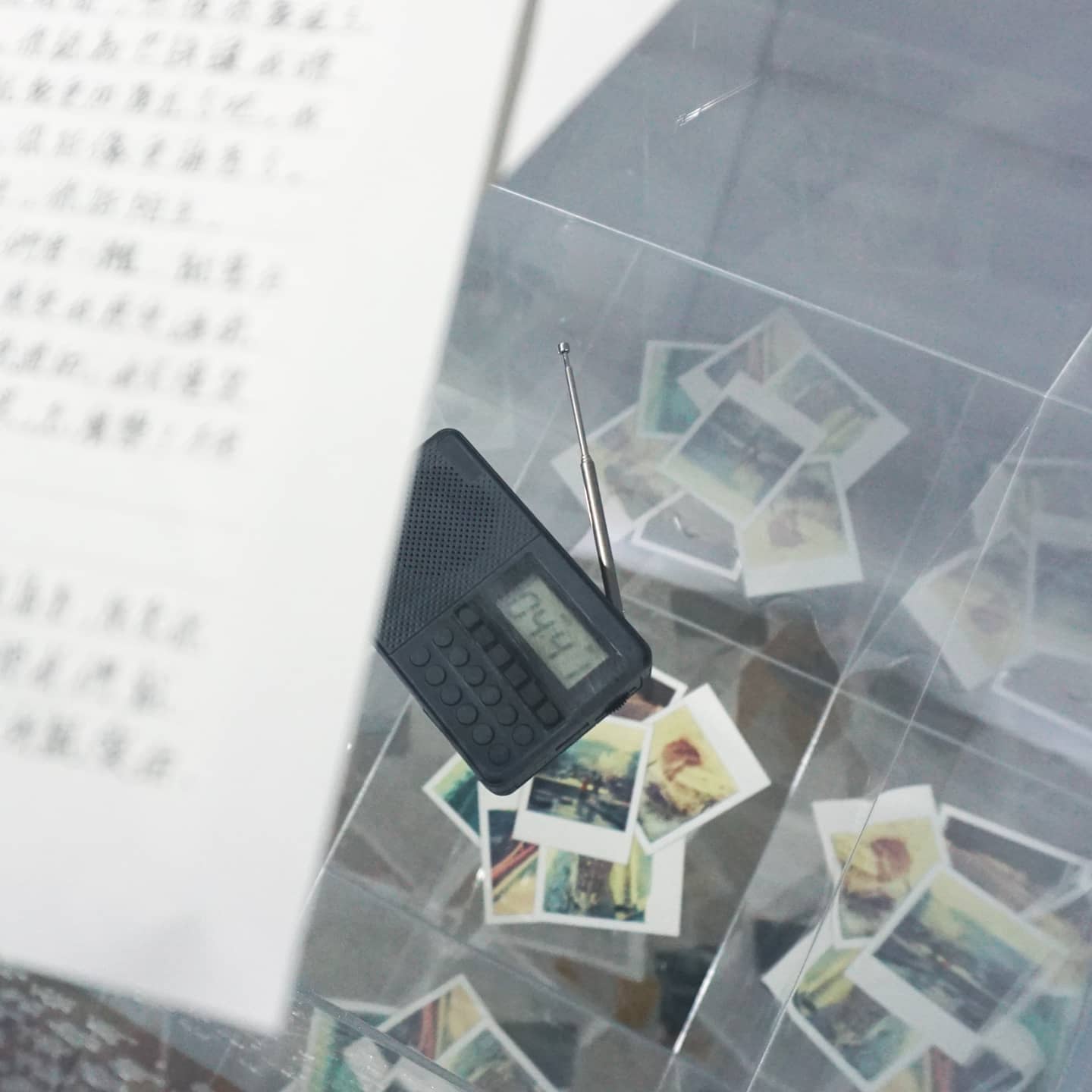
以情書的口吻寫一封信給逝去的親人,將文字轉換成三種形式:手寫信、朗讀錄音播放、鏡面浮雕文字,組合在透明方形的碑體裝置上,讓這份情感能被看到、聽到、觸摸到。
A letter to a departed loved one written in the voice of a love letter, the words translated into three forms — handwritten letter, recorded audio reading, mirror-surface relief text — assembled on a transparent square monument, allowing the feeling to be seen, heard, and touched.
作品二
《禮物》Gift
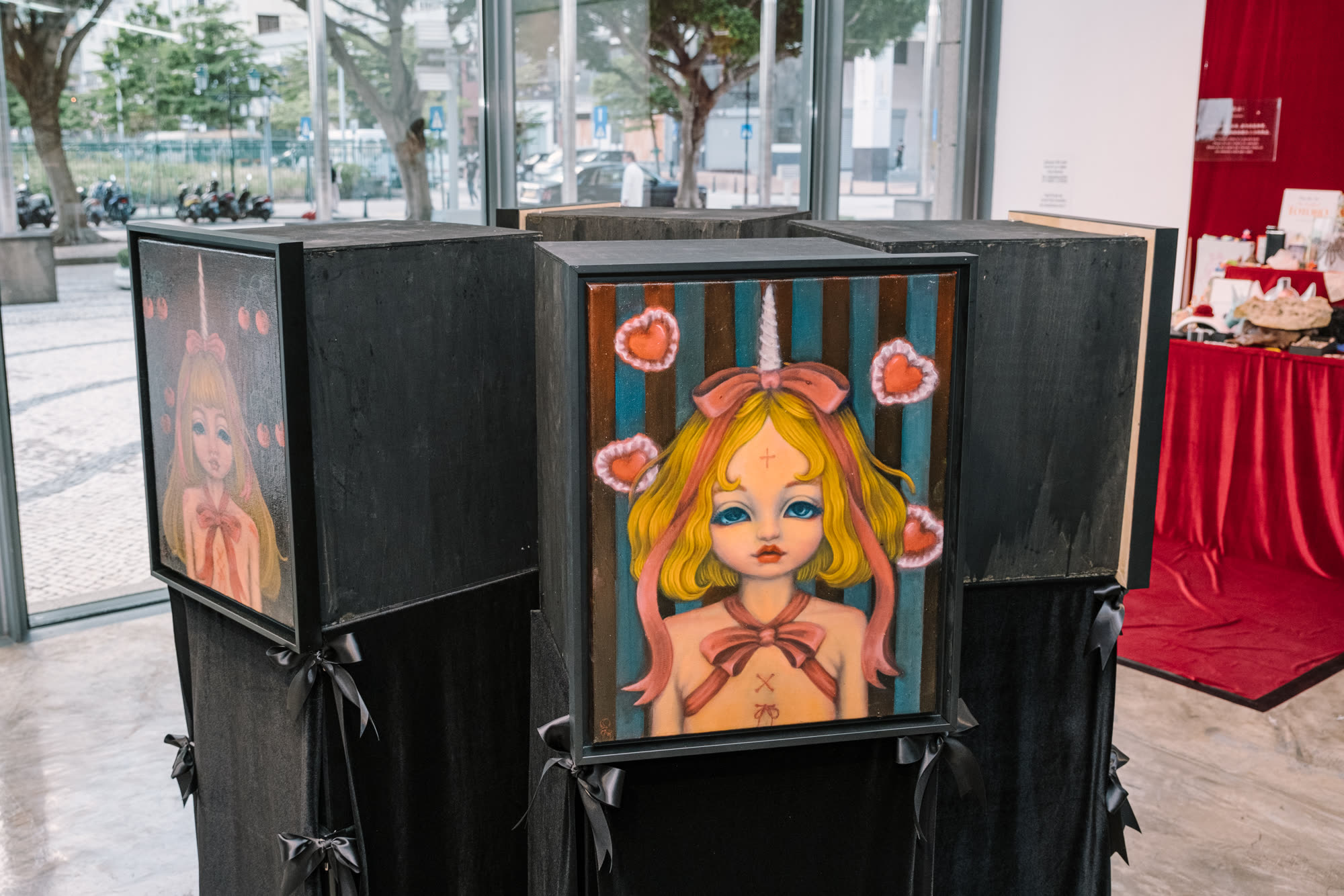
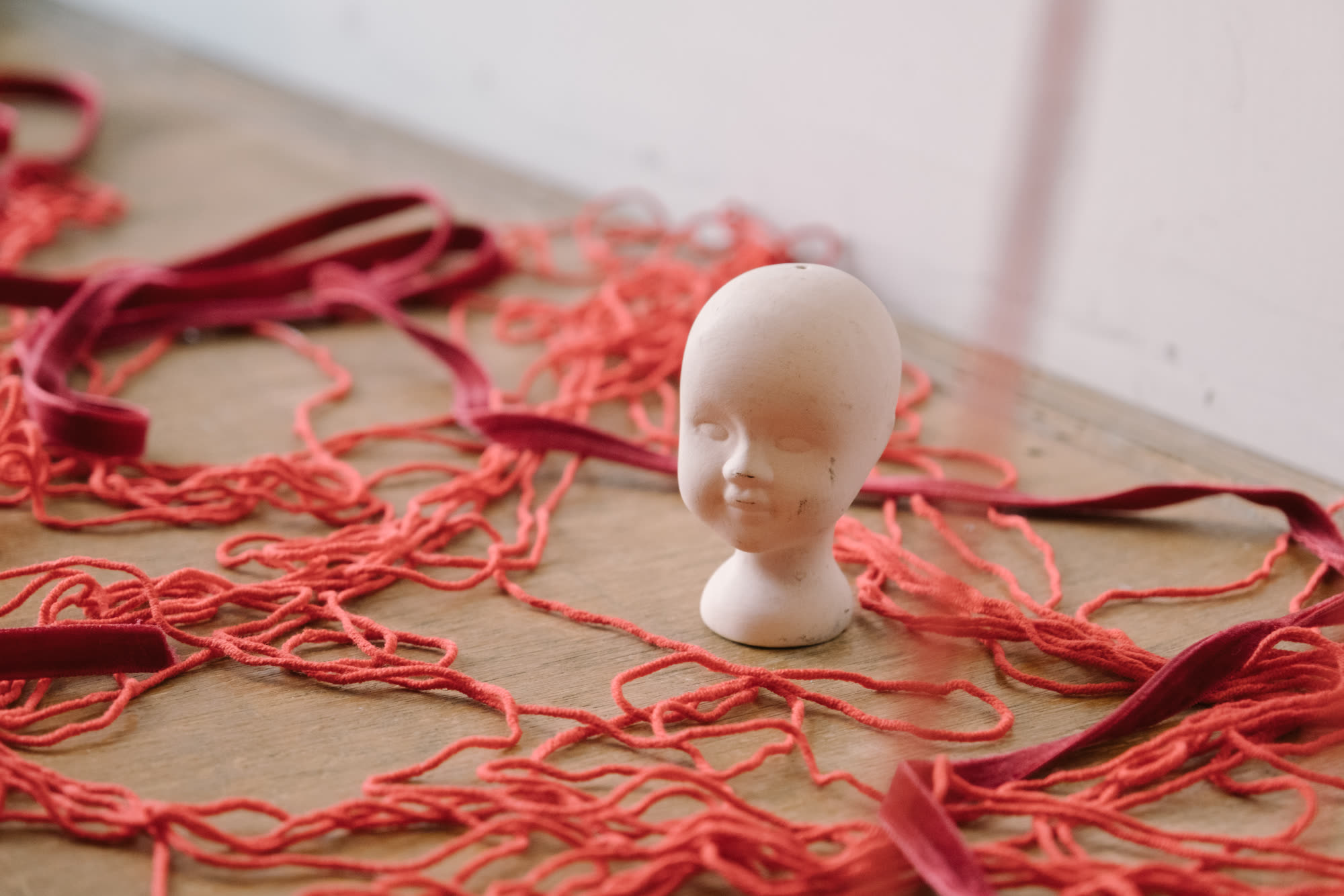
禮物在贈送出去之前,並不是禮物。物品由物品轉換成禮物的過程中,它的性質也將被轉換,僅僅是一個贈送物品的動作/儀式,此物品的價值就發生了巨大的改變。 但是當此物品被贈予第三方,就此「贈予」的動作,此物品的性質與價值就被改變。因為物品的價值不再被單方定義,而是雙方以自身角度定義。 《禮物》中的「獨角獸女孩」帶著玩具娃娃般的面孔與獨角獸的角。獨角獸象徵著「純潔」,與象徵著「擺設」、「收藏」的玩具結合,暗喻著一種人的心理狀態。人習慣掩飾求利己而利他,物品的性質轉換有它的目的性。
Before a gift is given, it is not yet a gift. In the transformation from object to gift, its nature is also transformed — through the single act of giving, the value of the object changes enormously. When an object is presented to another, this act of "giving" alters both its nature and value. The object's worth is no longer defined by one party alone, but by both, each from their own perspective. The "Unicorn Girl" in Gift bears a face like a toy doll and the horn of a unicorn. The unicorn symbolises "purity," and when combined with the toy — symbolic of "ornamentation" and "collection" — it implies a particular human psychology. People are accustomed to masking self-interest beneath altruism; the transformation of an object's nature always serves a purpose.
作品三
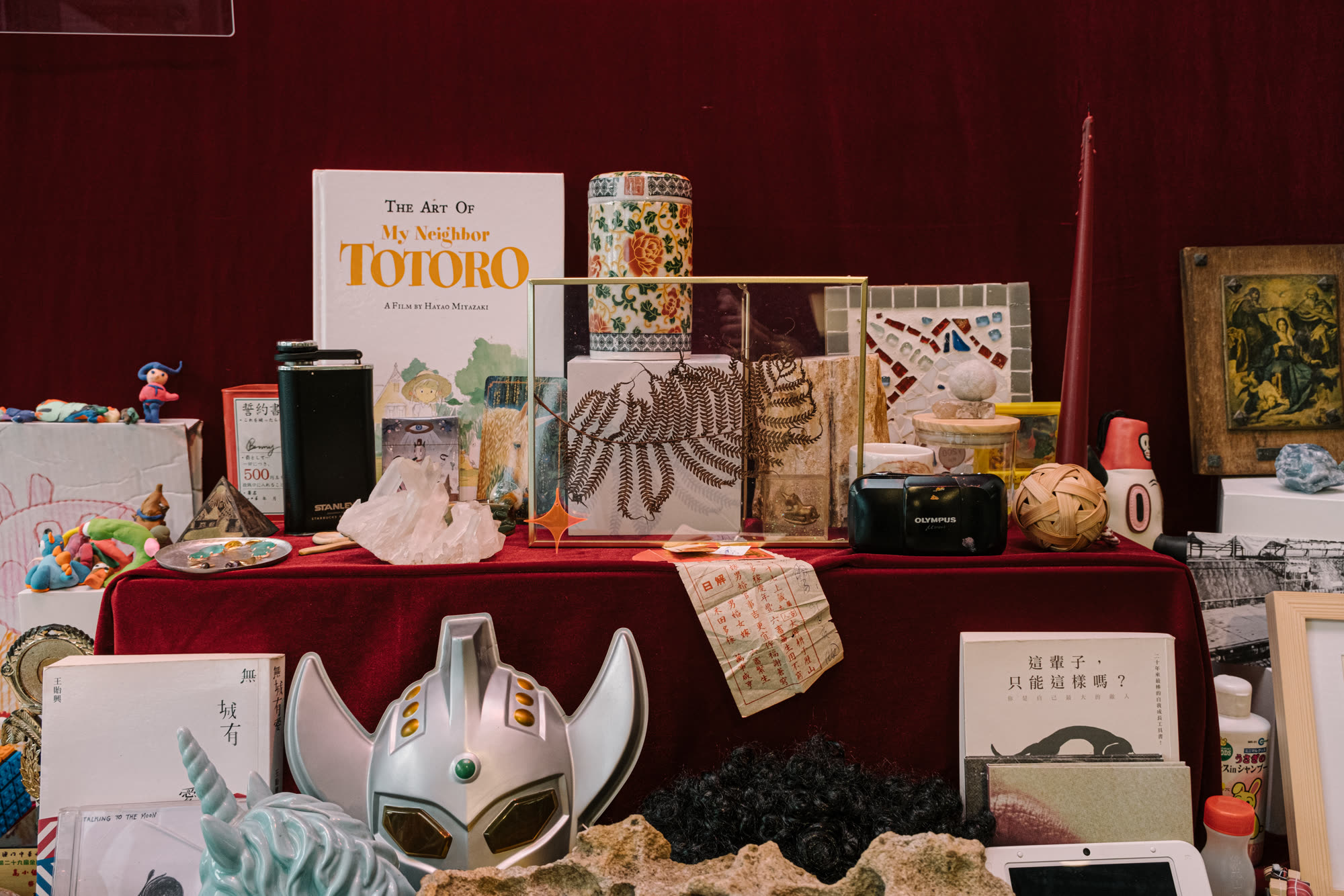
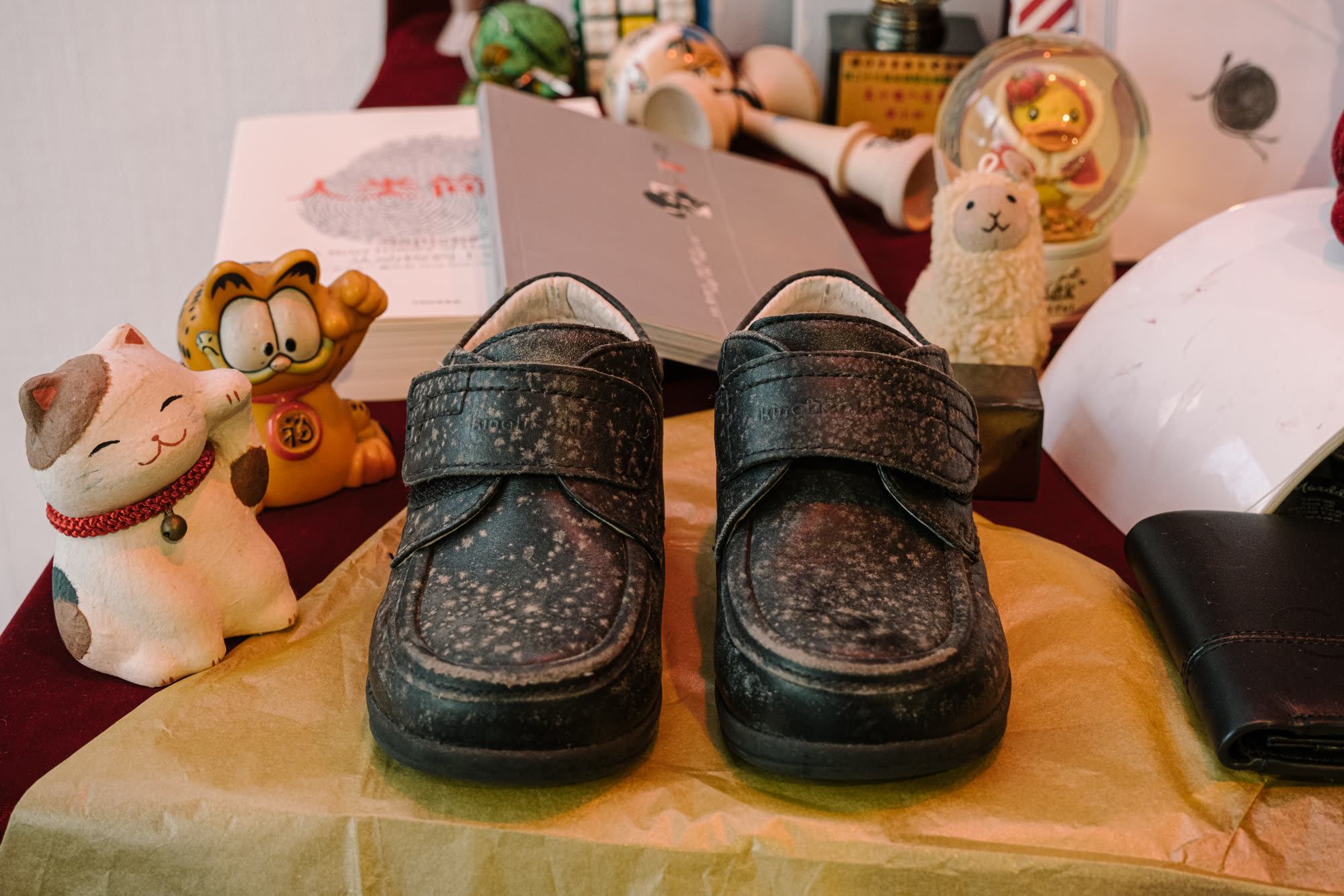
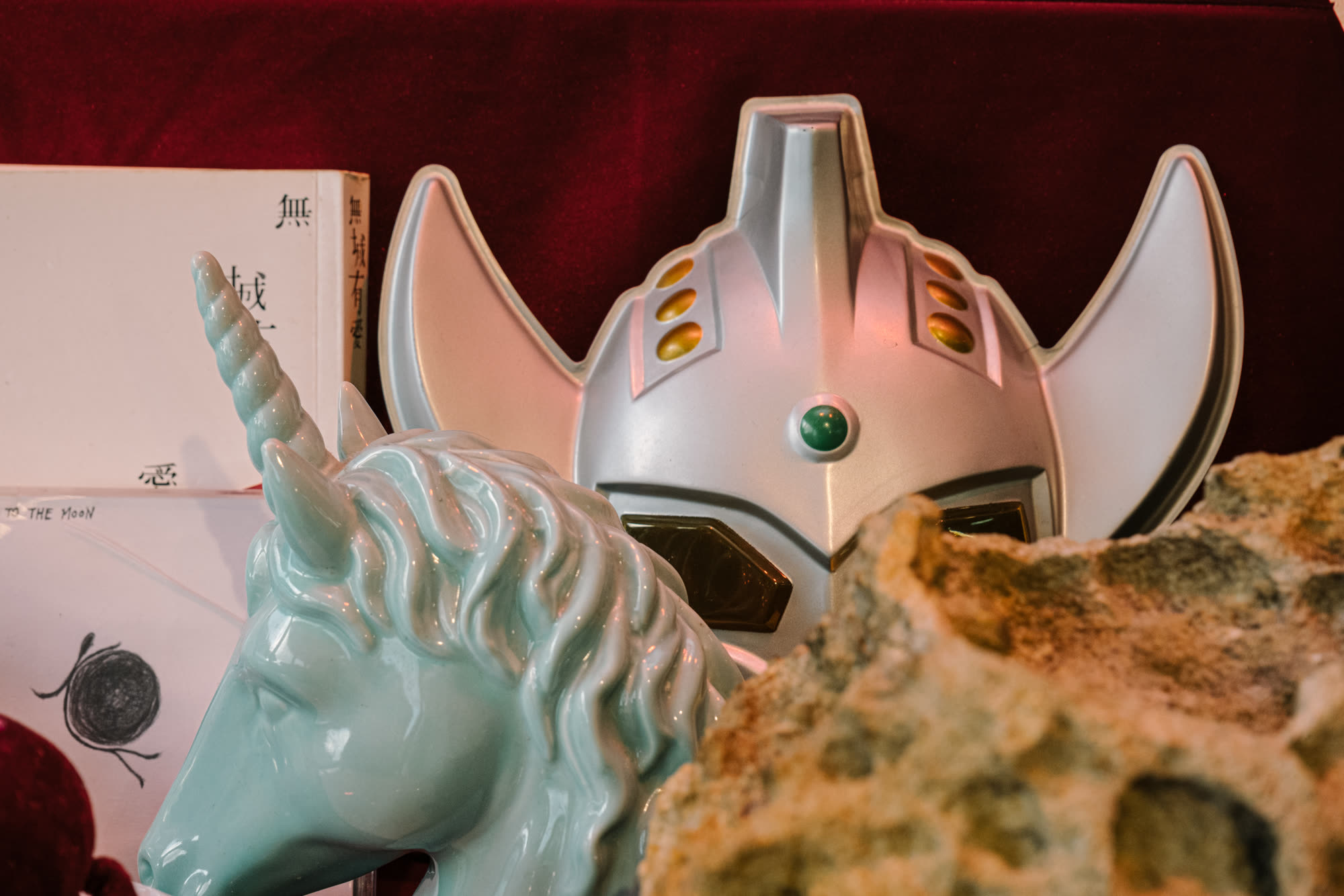
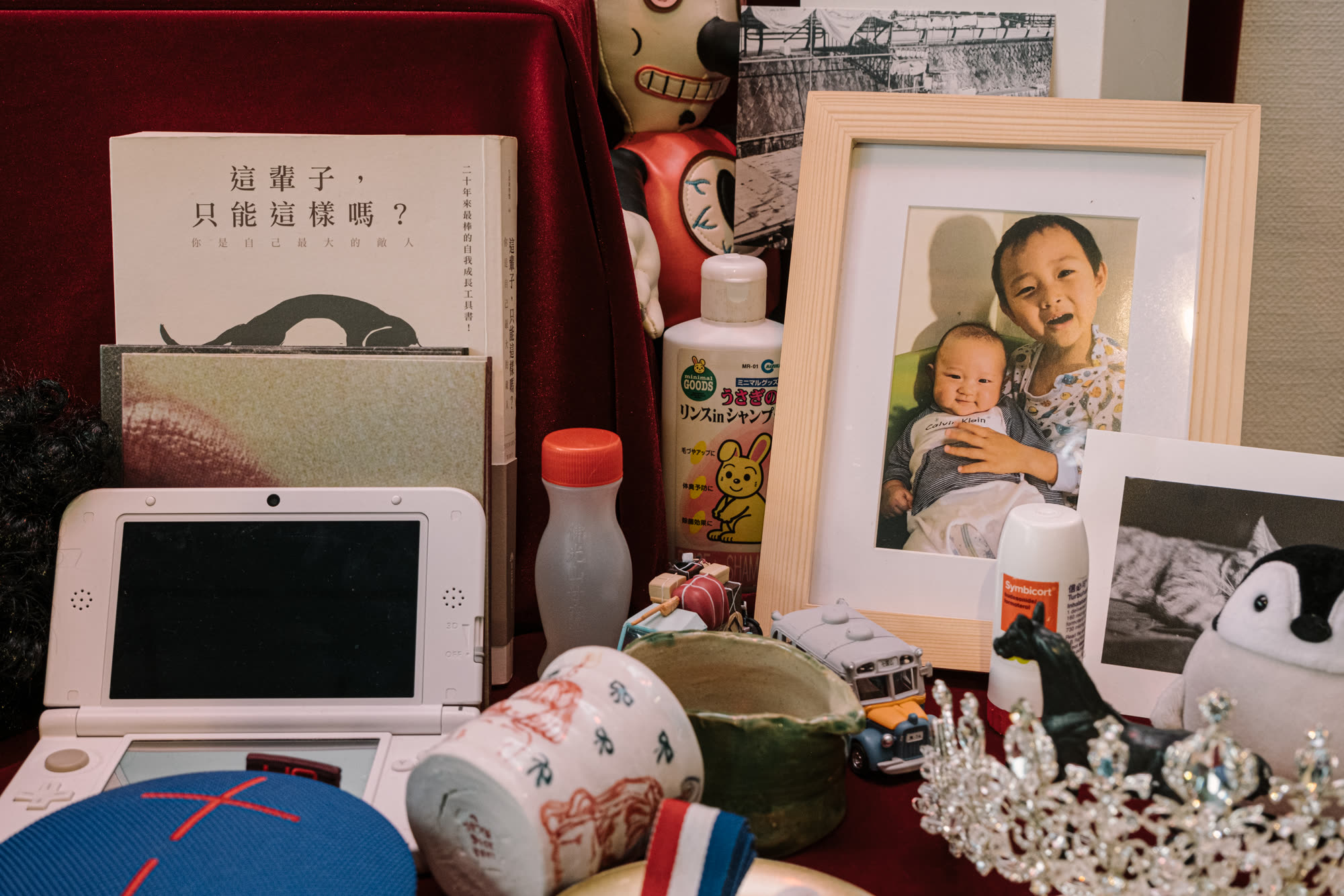
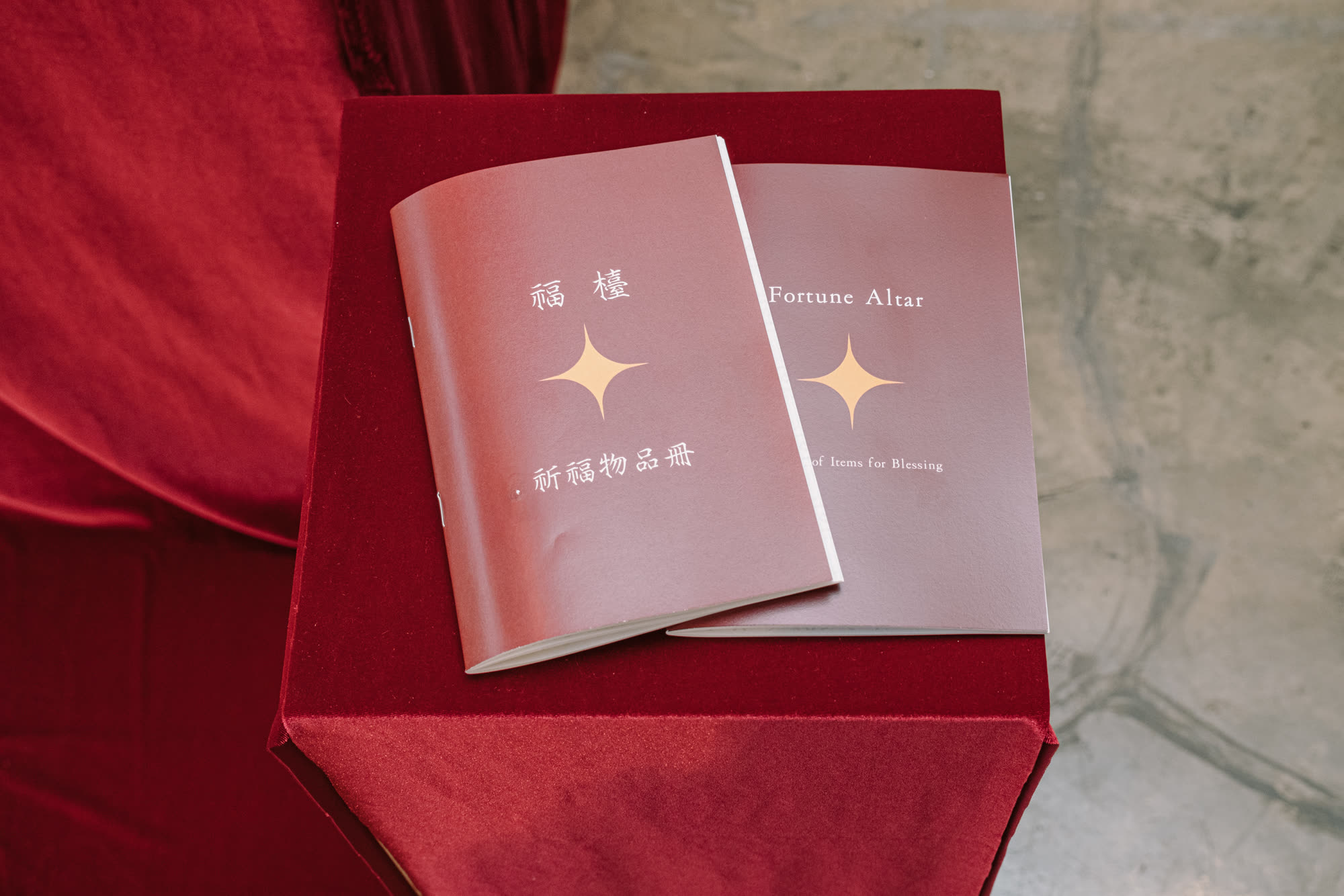
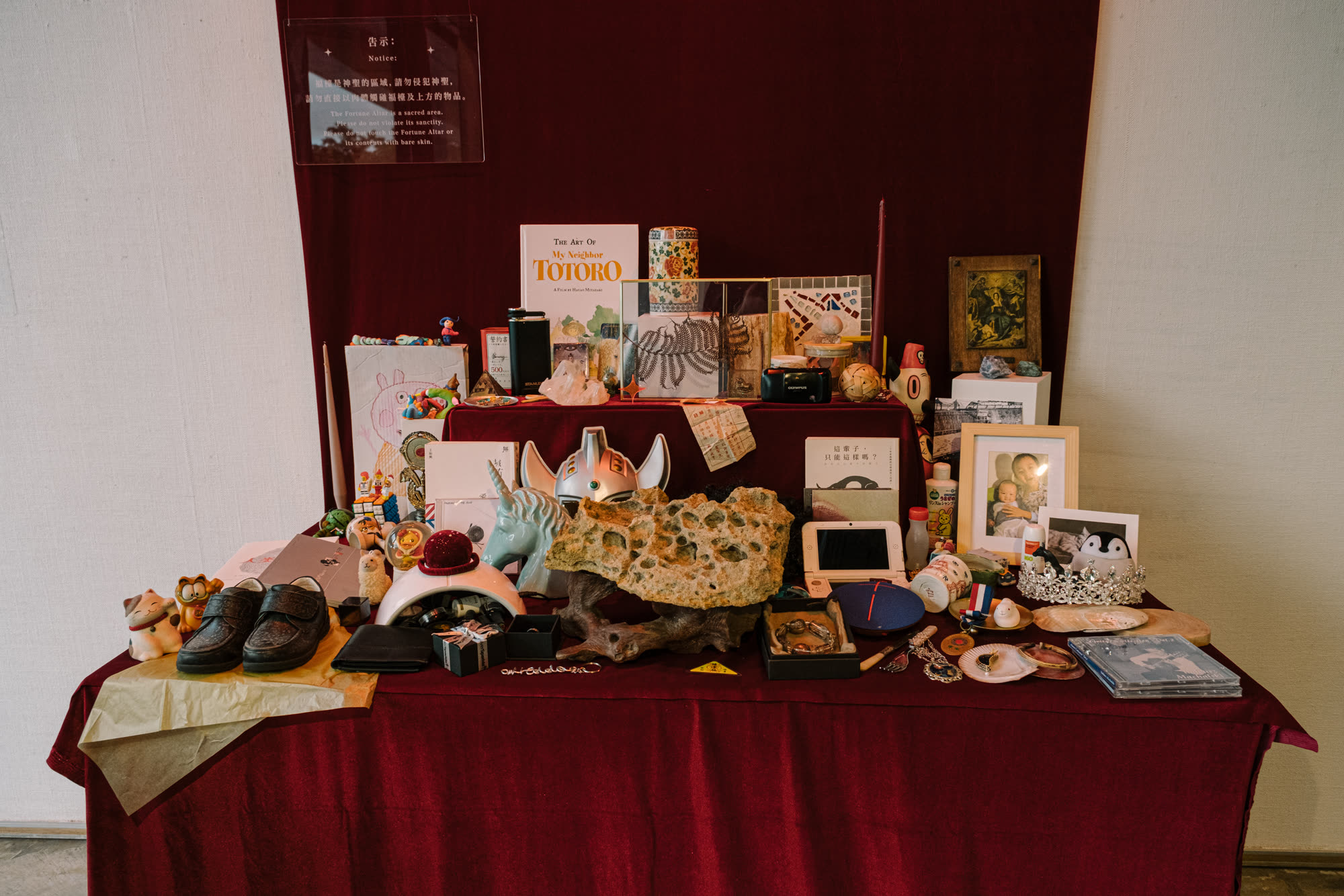
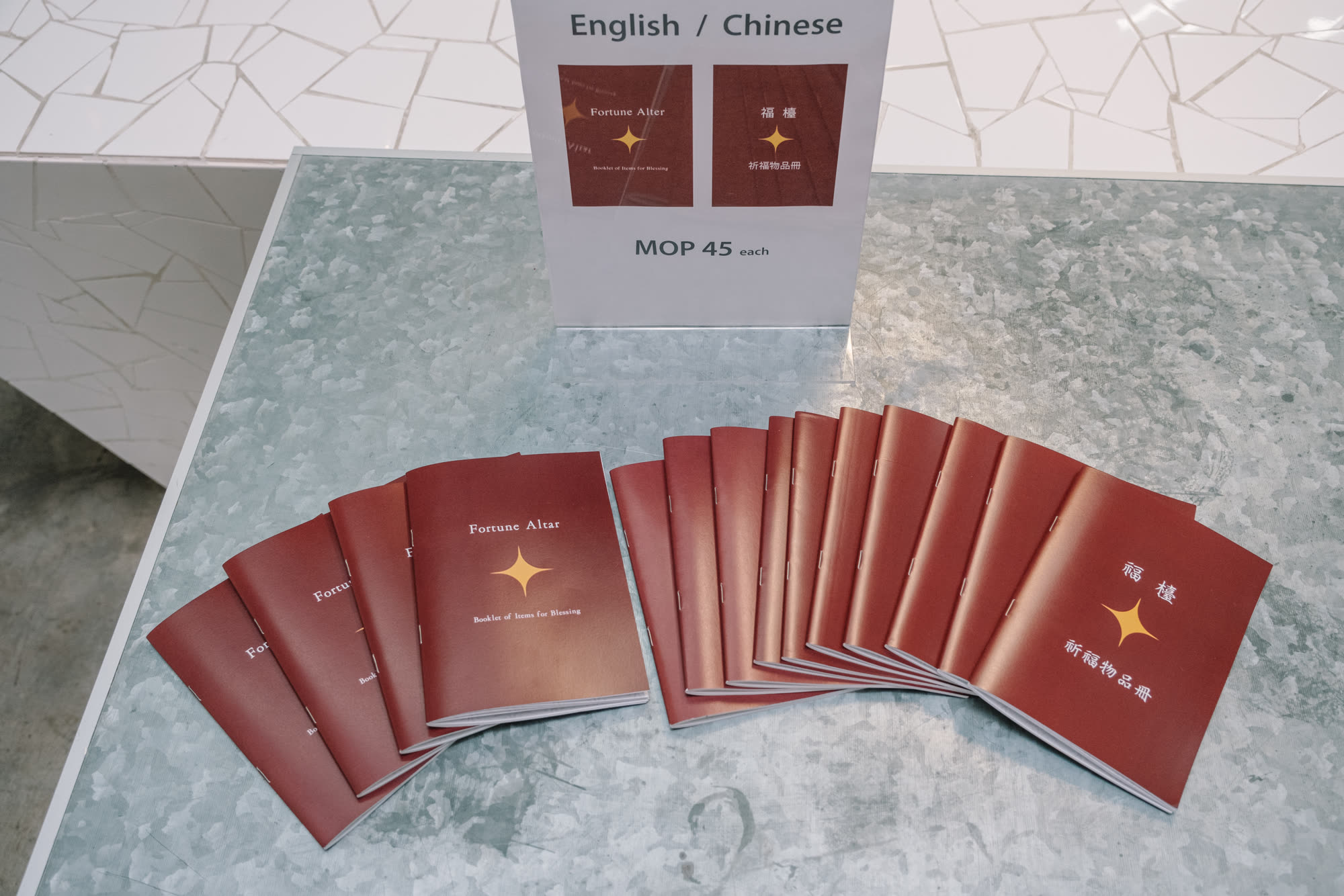
《福檯》Fortune Altar
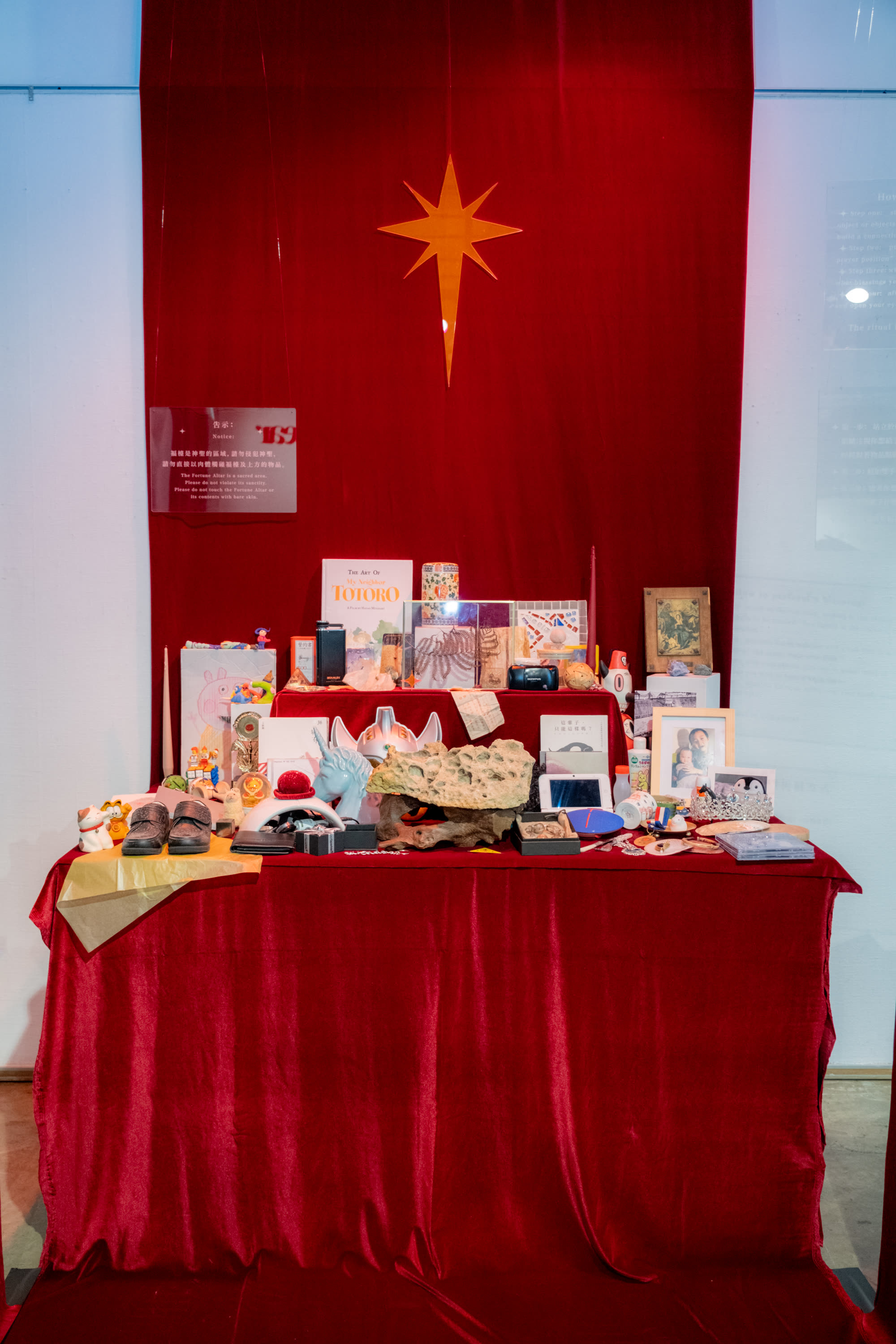
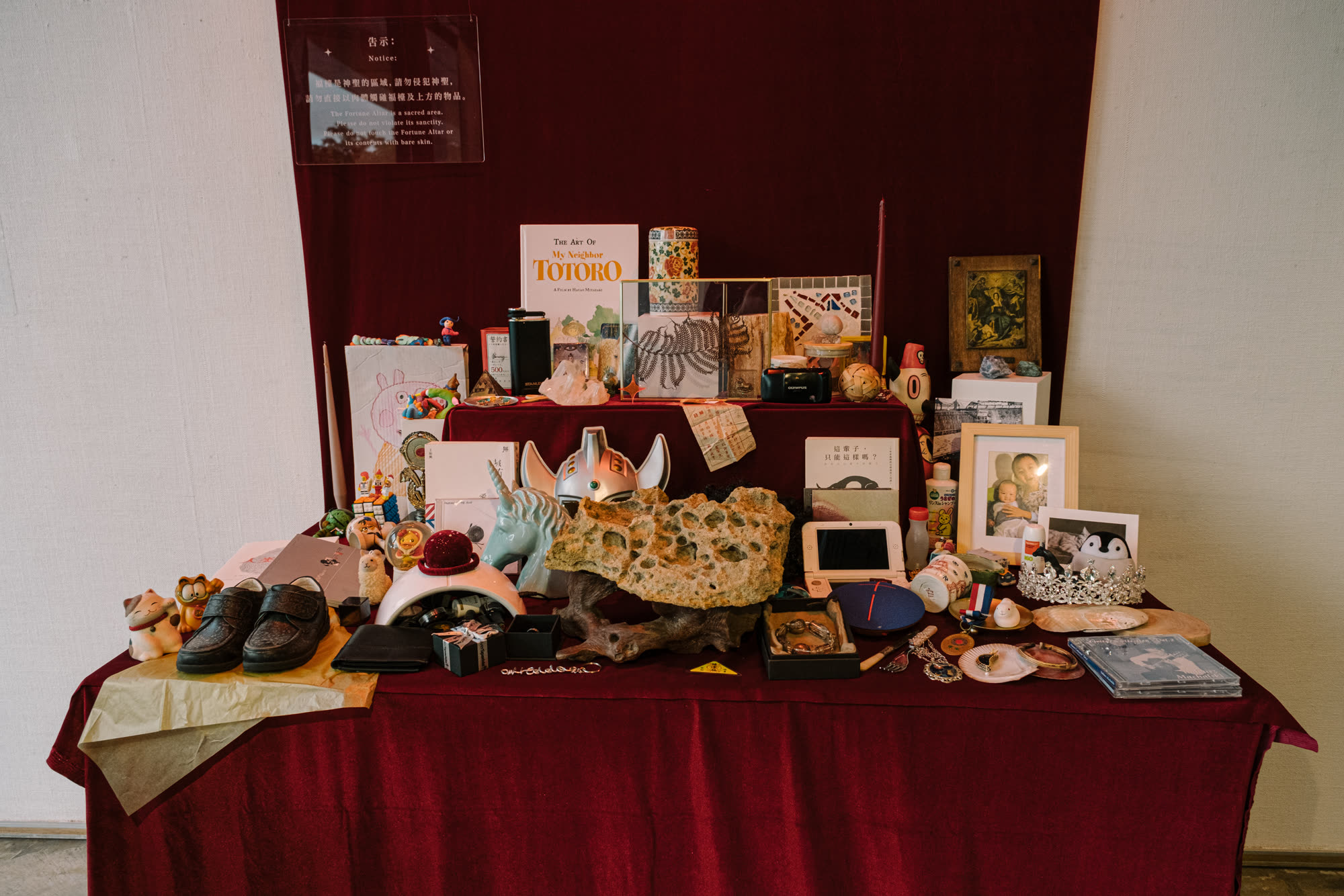
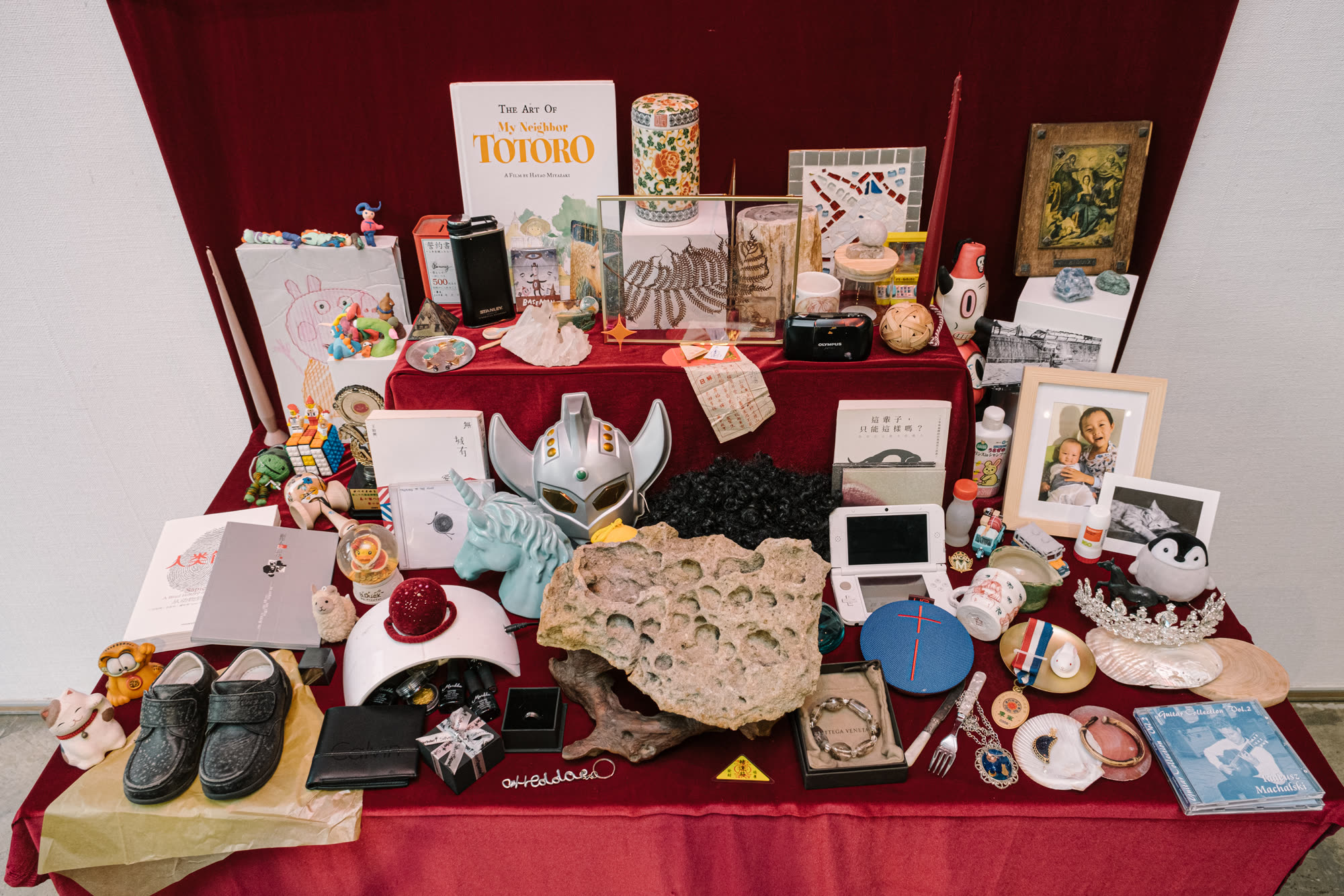
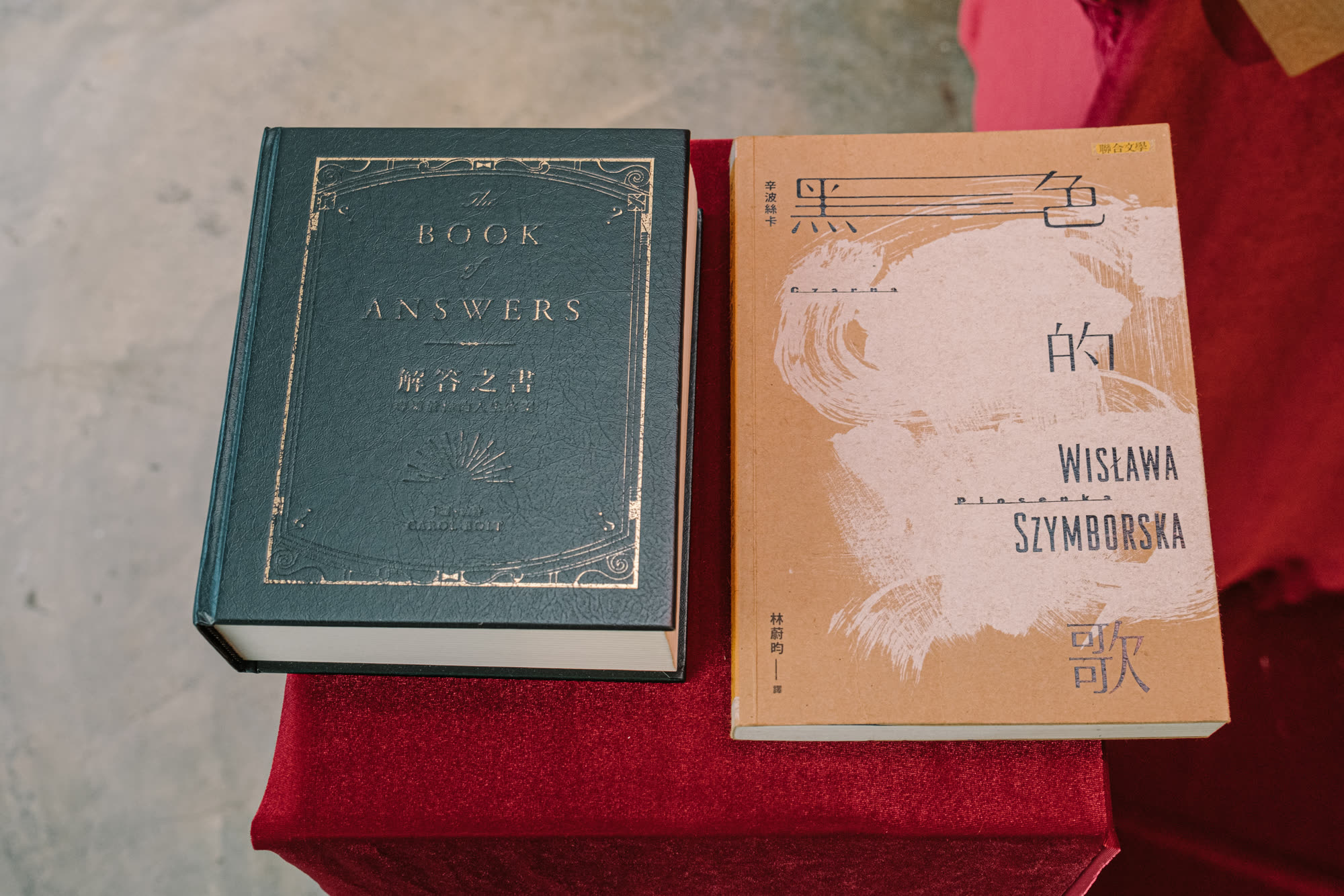
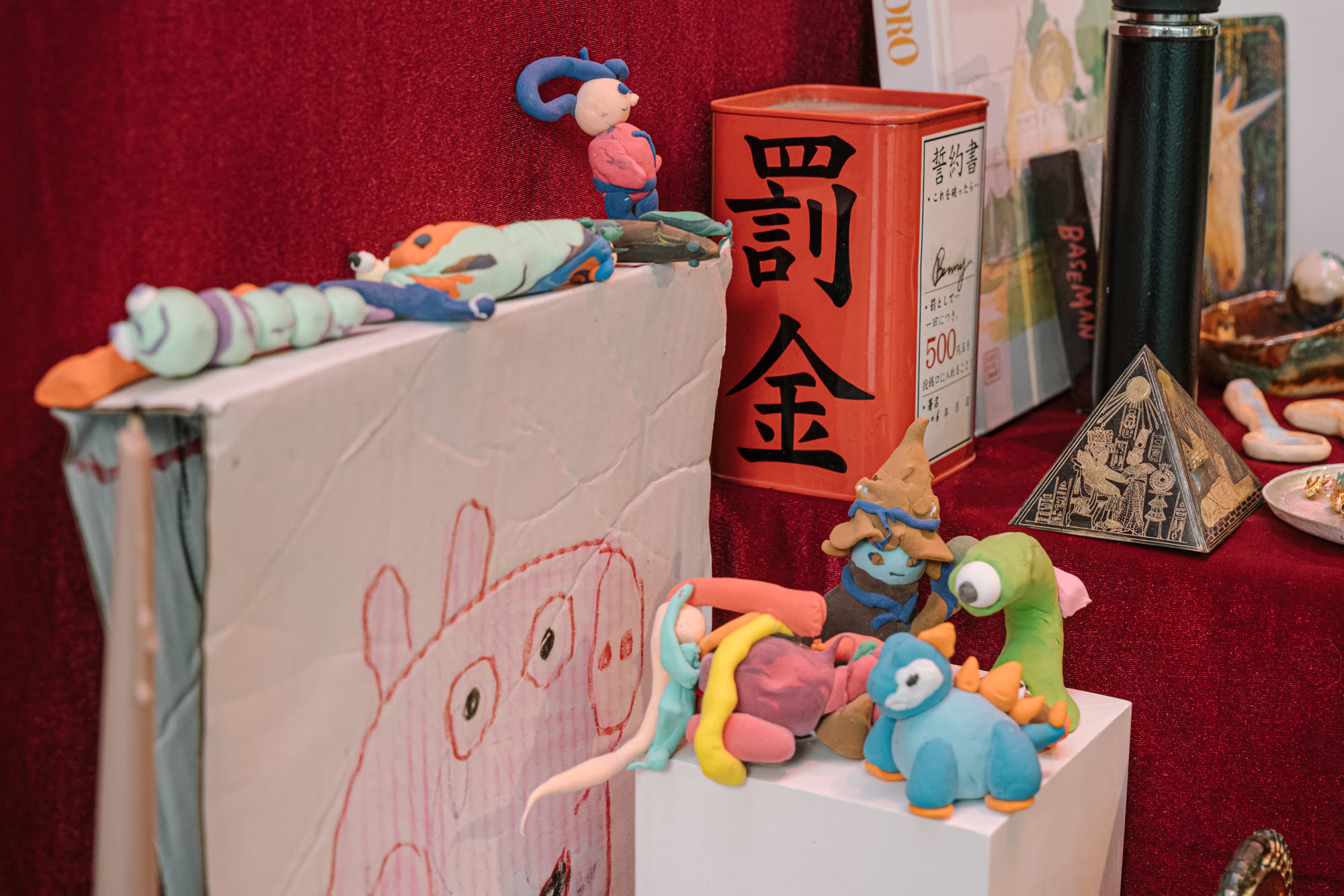
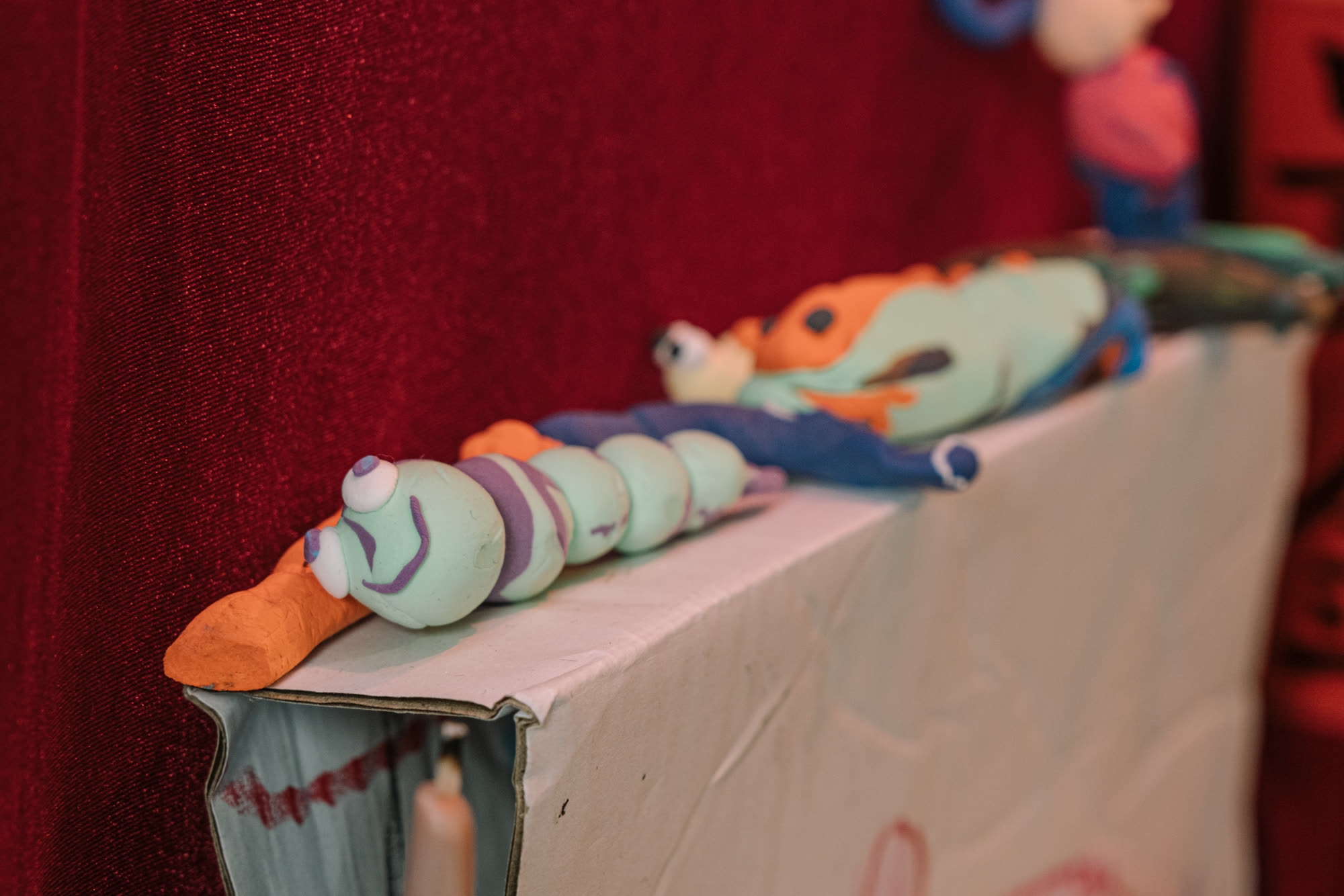
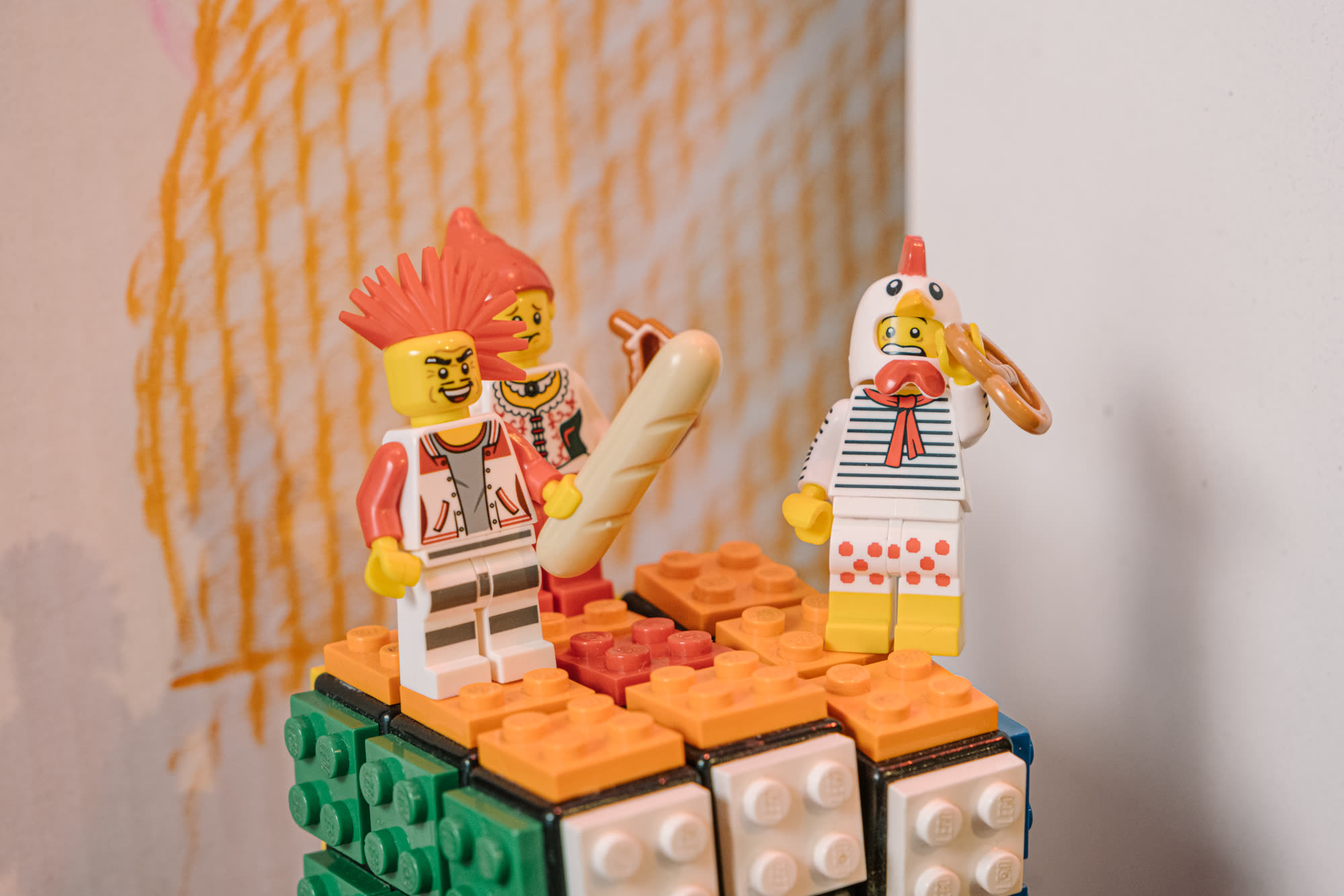
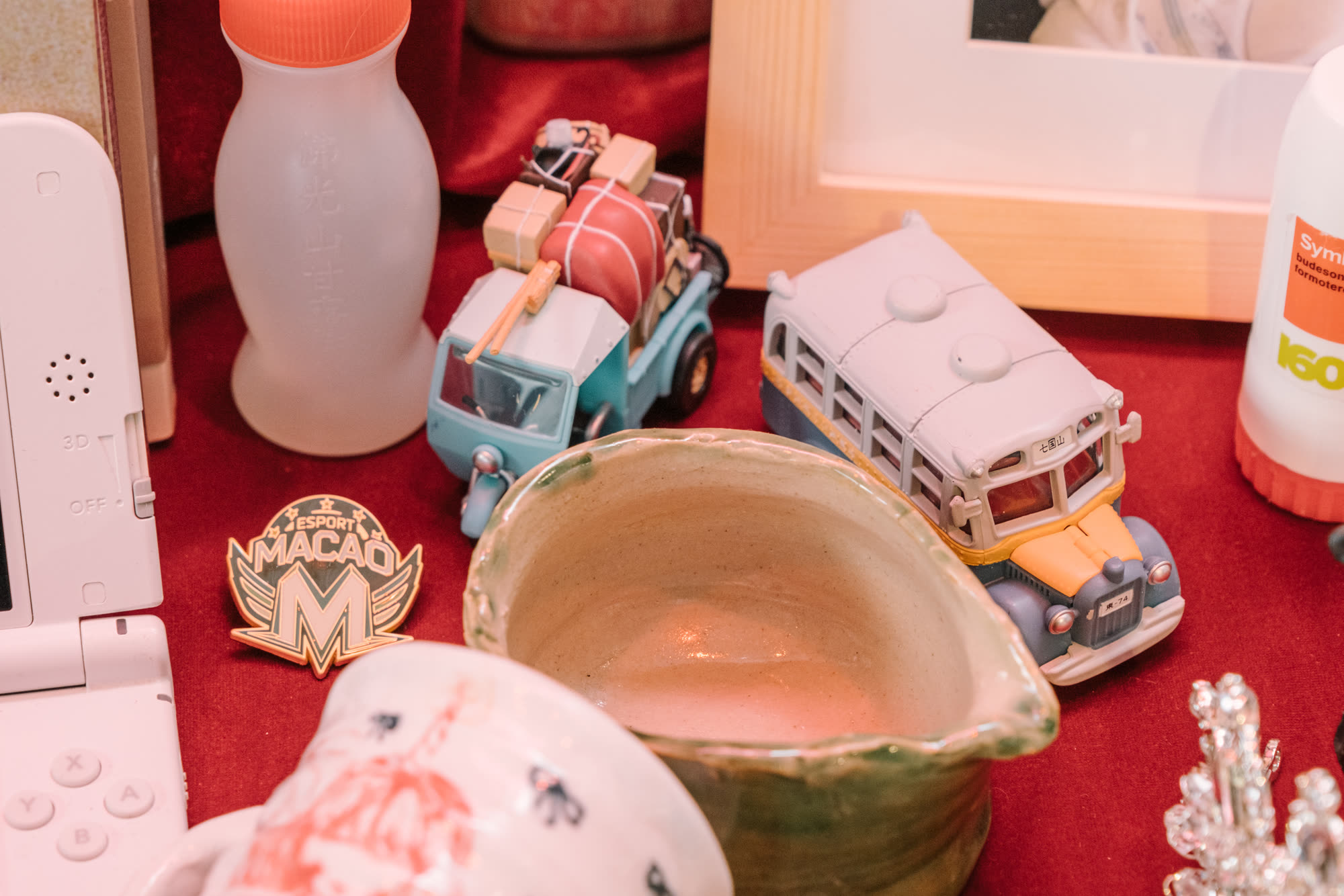
手持大袋小袋,踏入廟宇,先是雙手合十彎腰鞠躬,提起物品擺上木檯,放的是零食、水果或飲品。點燃煙香,先是敬天空上的神明,再跪坐於廟內的神明之前,許著願望,晃著白煙,頻頻低頭,起身。讓香留在爐上,待它被神明吃掉。神明作為回報,把祝福,埋入木檯上的物品。使用或食用這些物品,形同持有神的祝福。 以此為經驗,取其形式,便形成此作品《福檯》。人們提供自己的生活物品,在展覽期間,觀者可以透過關注物品、完成儀式過程,與物品產生能量連結,從而給予物品一些祝福。物品便和觀者一起參與了此展覽,而物品除了接收了觀者的能量,也得到了此展覽的經驗。
Arms laden with bags, one enters the temple — hands pressed together, a bow, then items are placed upon the wooden altar: snacks, fruits, or drinks. Incense is lit, first offered to the gods above, then kneeling before the deity within, wishes are made, white smoke sways, heads bow repeatedly, and one rises. The incense is left upon the burner to be consumed by the gods. In return, the gods embed their blessings into the items on the altar. To use or consume these items is to carry the blessing of the divine. Drawing from this experience and its ritual form, Fortune Altar was created. People contribute their own everyday objects; during the exhibition, viewers may create an energetic connection with these objects by focusing upon them and completing the ritual process — offering the objects a blessing. The objects thus participate in the exhibition alongside the viewers, and beyond receiving the viewers' energy, they also receive the experience of the exhibition itself.
作品四
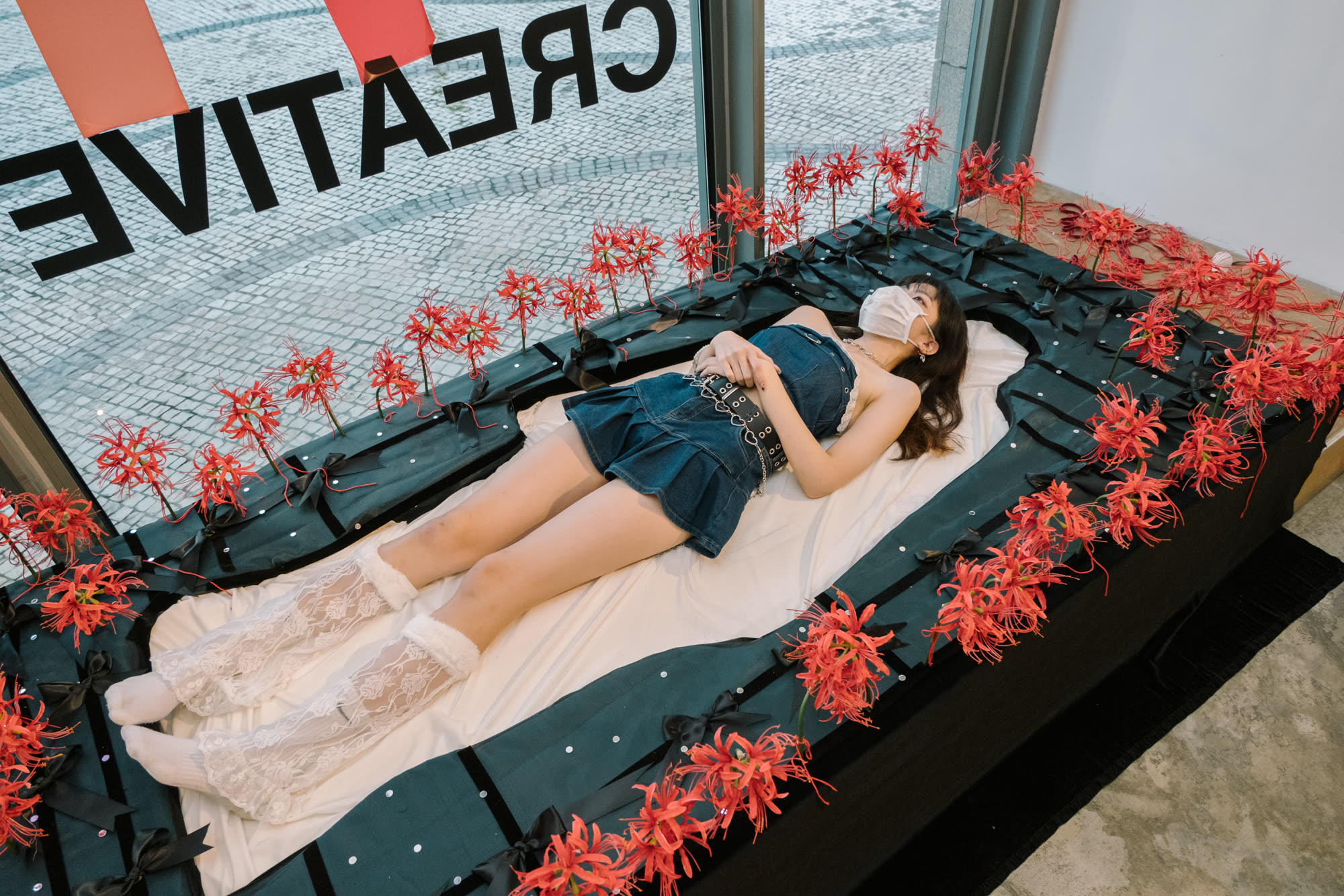
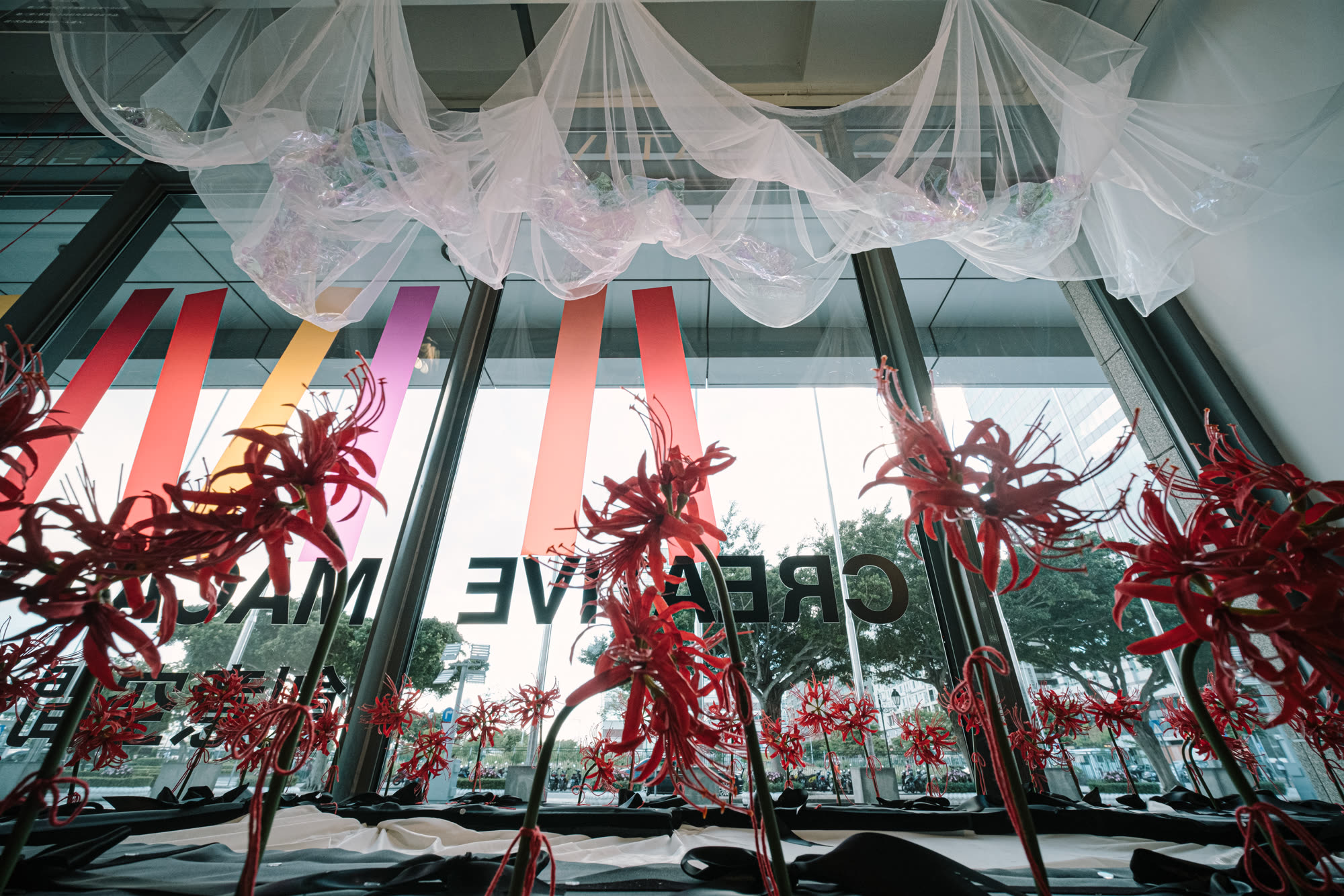
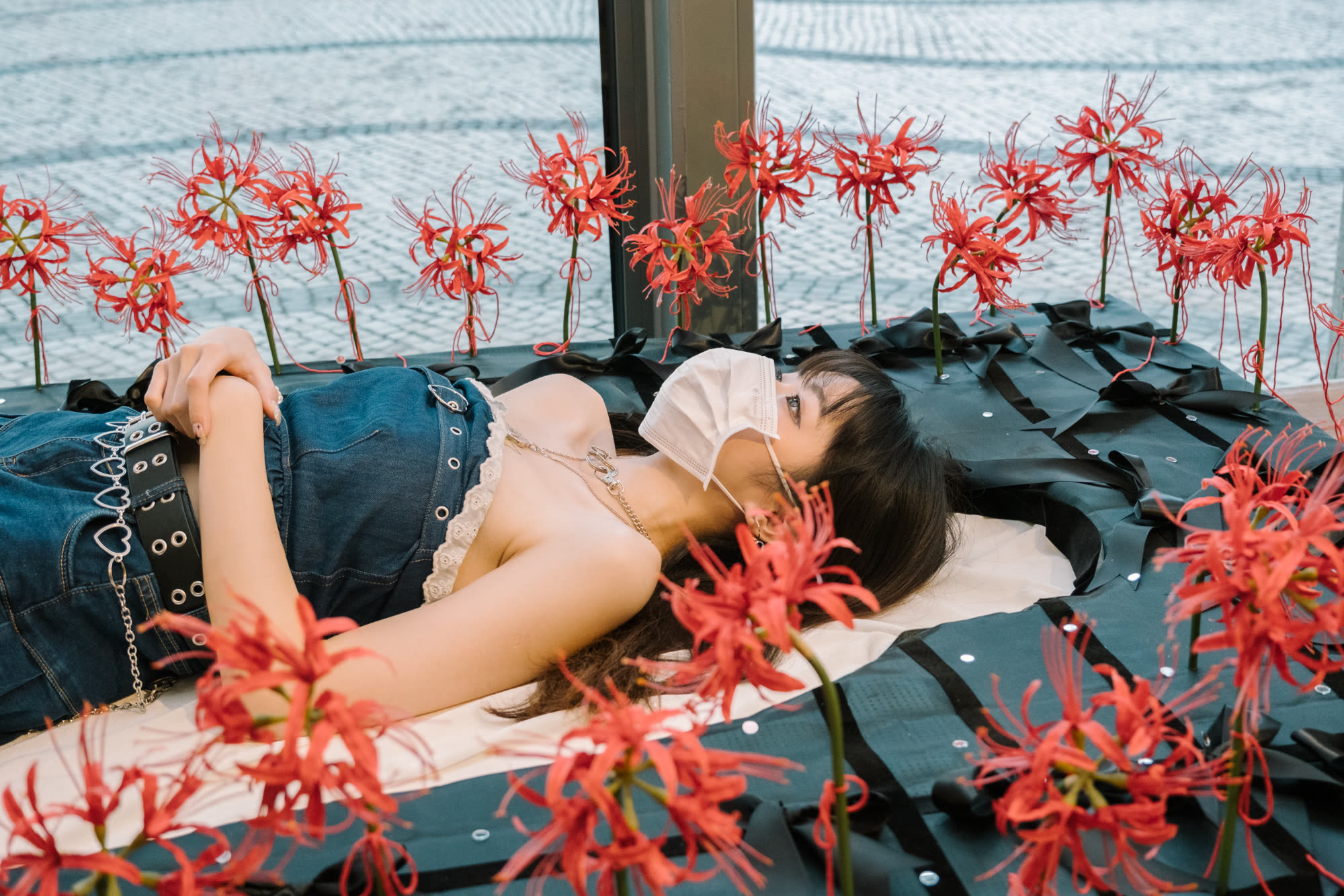
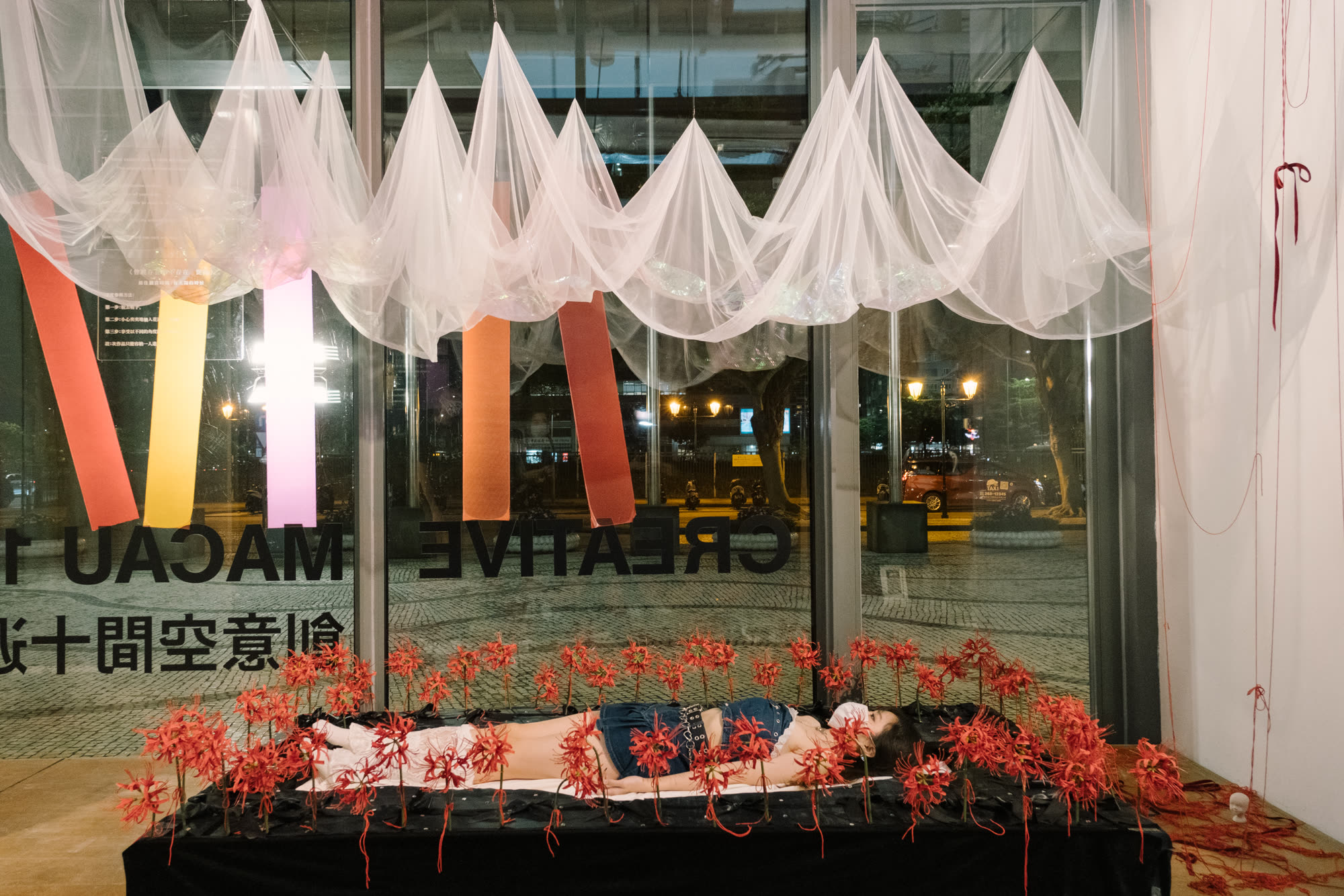
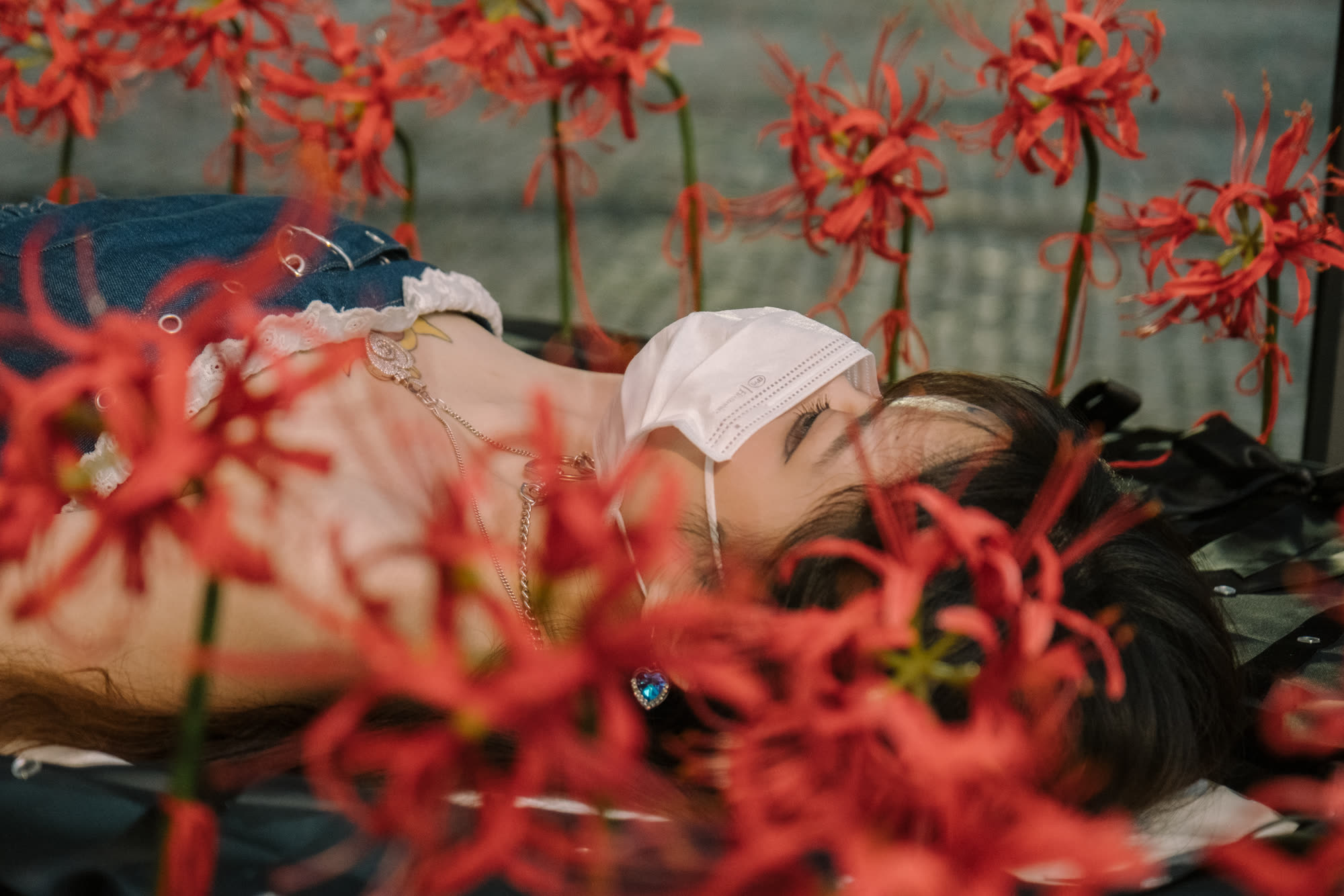
《曾經存在與不存在 艷陽》
To have existed and to exist no longer – the brilliant sun
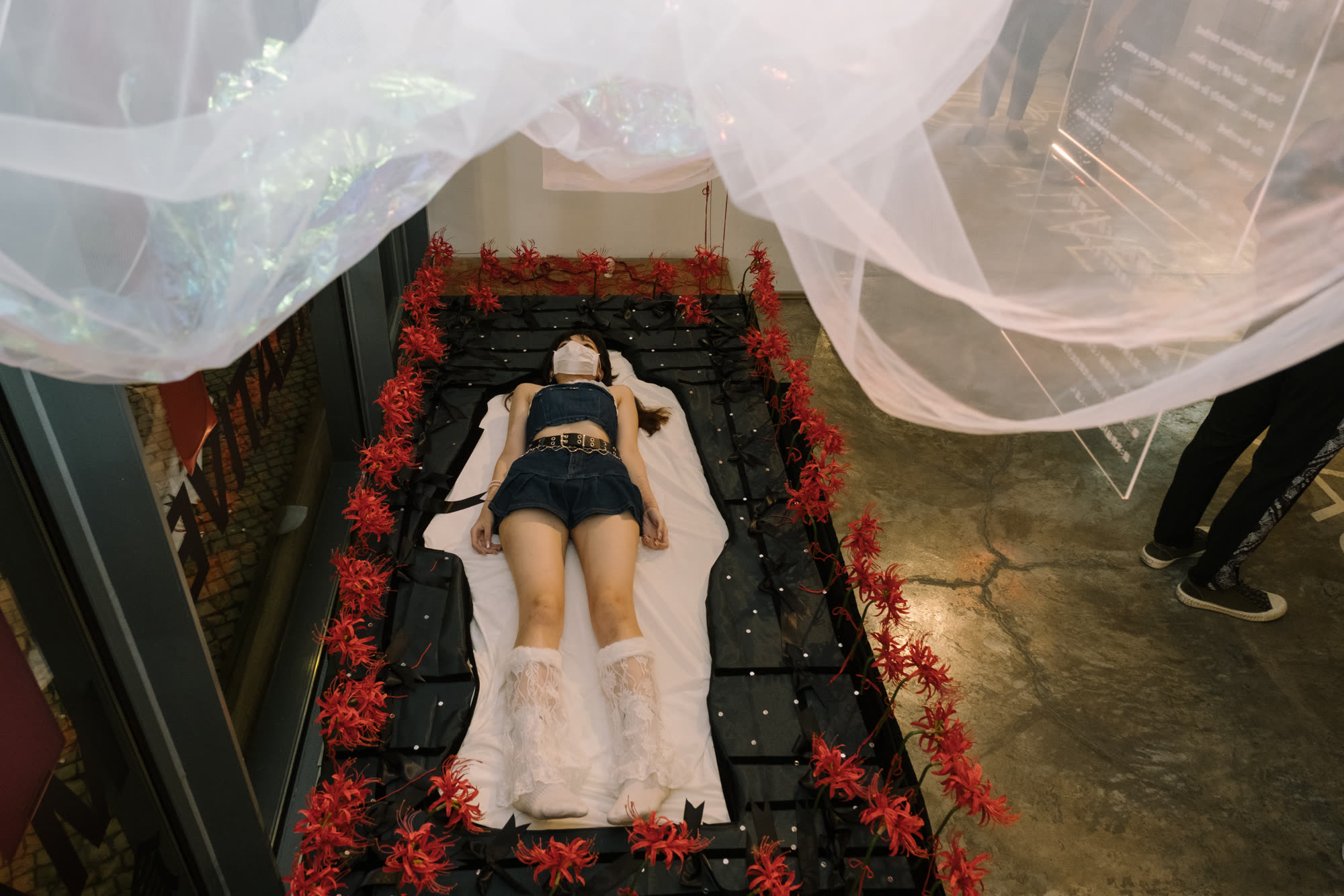
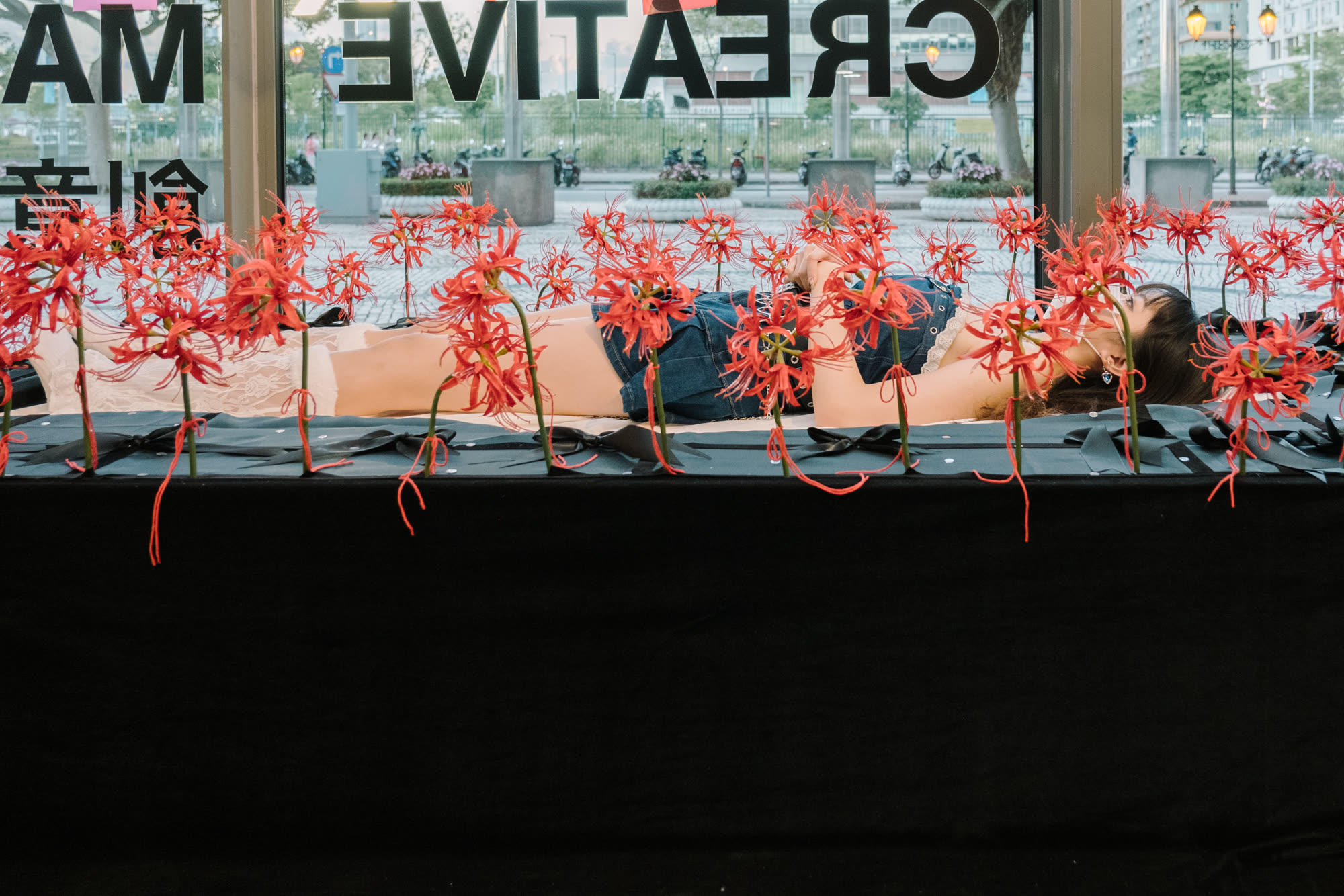
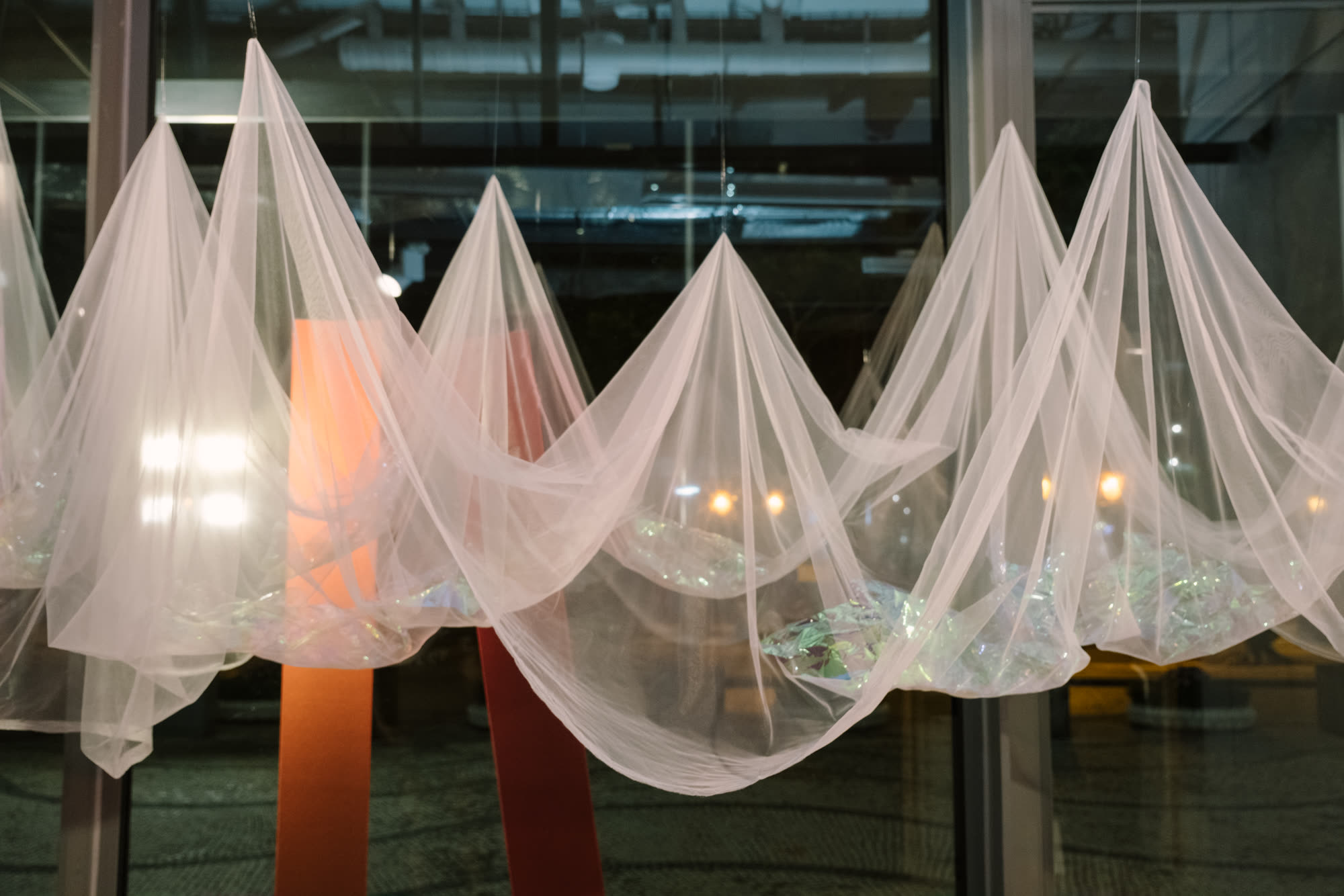
人,怎麼才算存在?是一具動態的肉體,還是一縷傳承的思想,或是一串記載的文字、可視的影像? 那麼人又怎麼才算不存在?或許是存在的人,為一具失去靈魂的肉體,舉辦過一場儀式,他們便被存在的人判定已不存在。當一個肉體,一個形象,一面臉孔,慢慢消失在眾人視線中,或許他就漸漸地成為一種不存在。 此作品的最佳觀賞時間於日間。觀者若想深度參與此作品,可除去雙鞋,躺入花叢的空白處,享受陽光的淨化,望著柔紗與花海融合、靜思、成為作品的一部分。
What does it mean for a person to exist? Is it a moving body of flesh, a thread of inherited thought, a series of recorded words, or a visible image? Then what does it mean to no longer exist? Perhaps when those who remain have held a ritual for a body that has lost its soul, they decree that person to have ceased to exist. When a body, an image, a face gradually disappears from the sight of others — perhaps that person slowly becomes a kind of non-existence. The ideal time to experience this work is during daylight. Viewers wishing to engage more deeply may remove their shoes, lie in the open spaces among the flowers, and let the sunlight purify them — gazing at the soft gauze merging with the sea of blossoms, meditating, becoming part of the work.
作品五
《燈塔 海岸》Lighthouse, Coast
你有信仰嗎?信仰於溺水的心靈而言,猶如黑夜裡的燈塔。 你在無邊的黑水之中沈浮,抓不住流水,走不出無盡的絕望。倘若發現一處閃光,你會知道,向著燈塔的閃光遊去,海岸就在不遠處。是燈塔給予黑暗看見光明的道路,是燈塔支撐在黑夜溺水的靈魂,是燈塔安撫捲曲的黑狗。人人心中都有一座支撐著自我生存意志的燈塔,救贖自我的燈塔。 而你的燈塔,又是什麼?
Do you have faith? For a drowning spirit, faith is like a lighthouse in the night. You drift in boundless dark waters, unable to grasp the current, unable to escape endless despair. But if you catch a glimmer of light, you know — swim toward that lighthouse, and the shore is not far. The lighthouse shows the path from darkness to light; it sustains the soul drowning in the night; it soothes the coiled black dog. In every heart there is a lighthouse that upholds the will to live — a lighthouse that redeems the self. And what is your lighthouse?
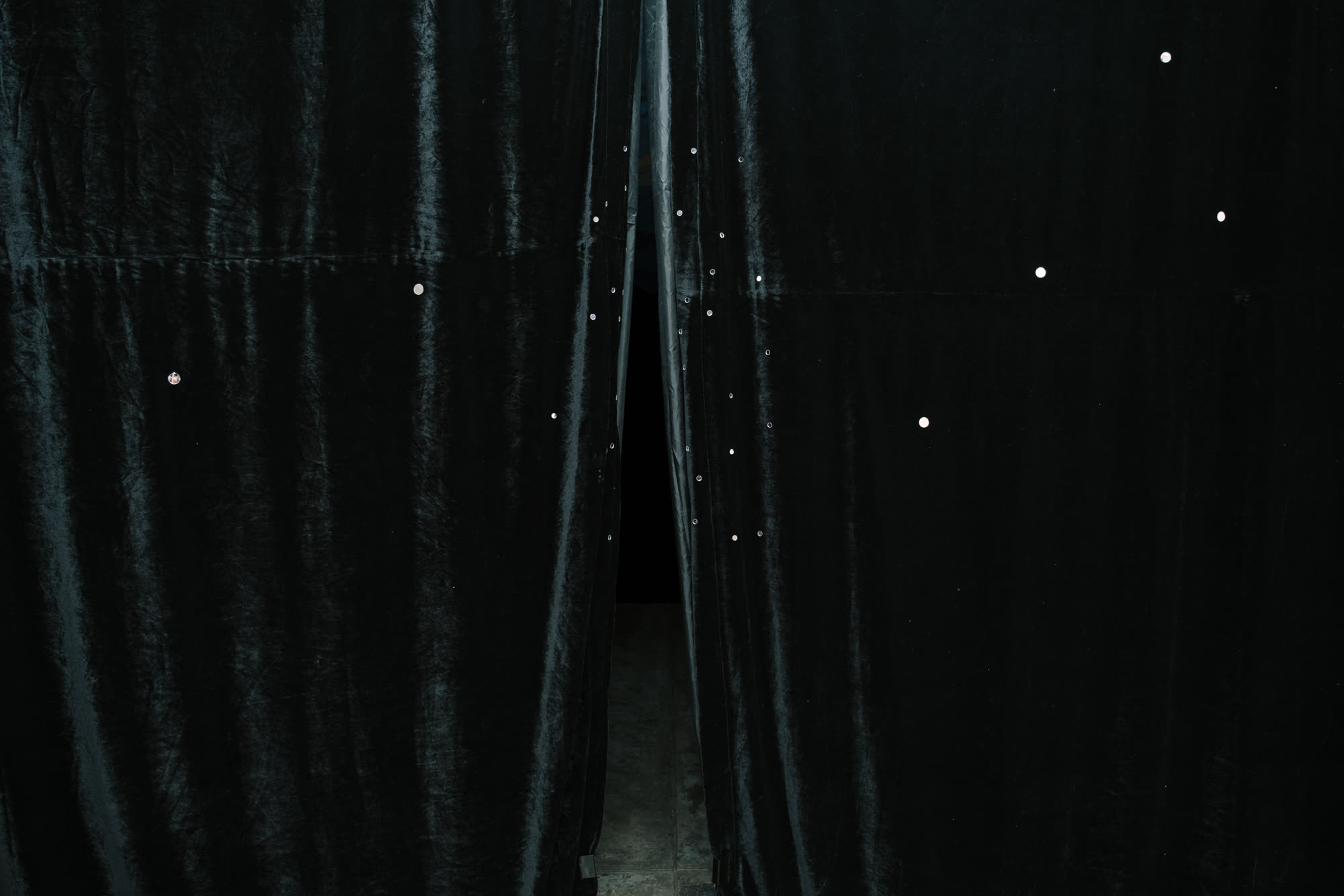
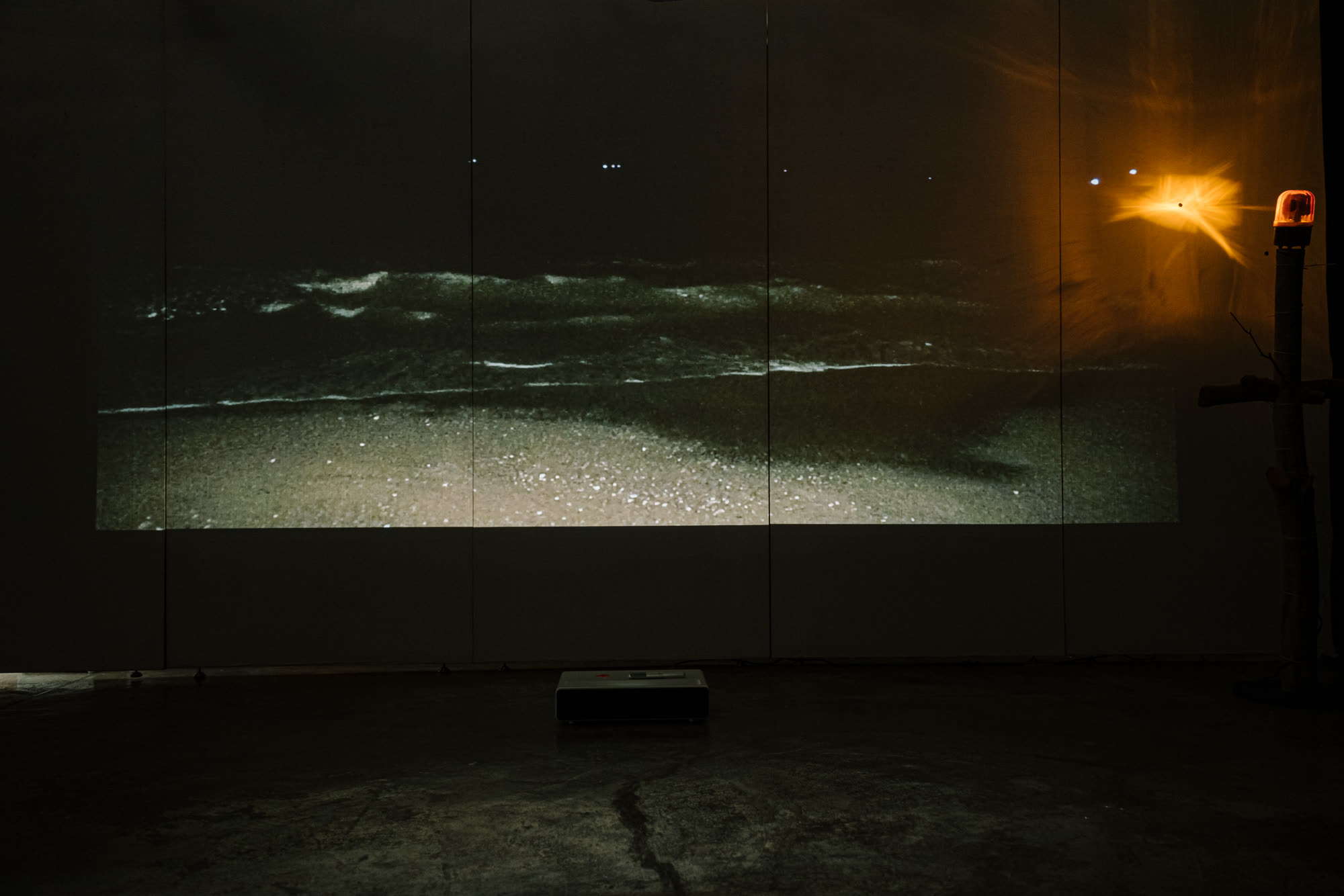
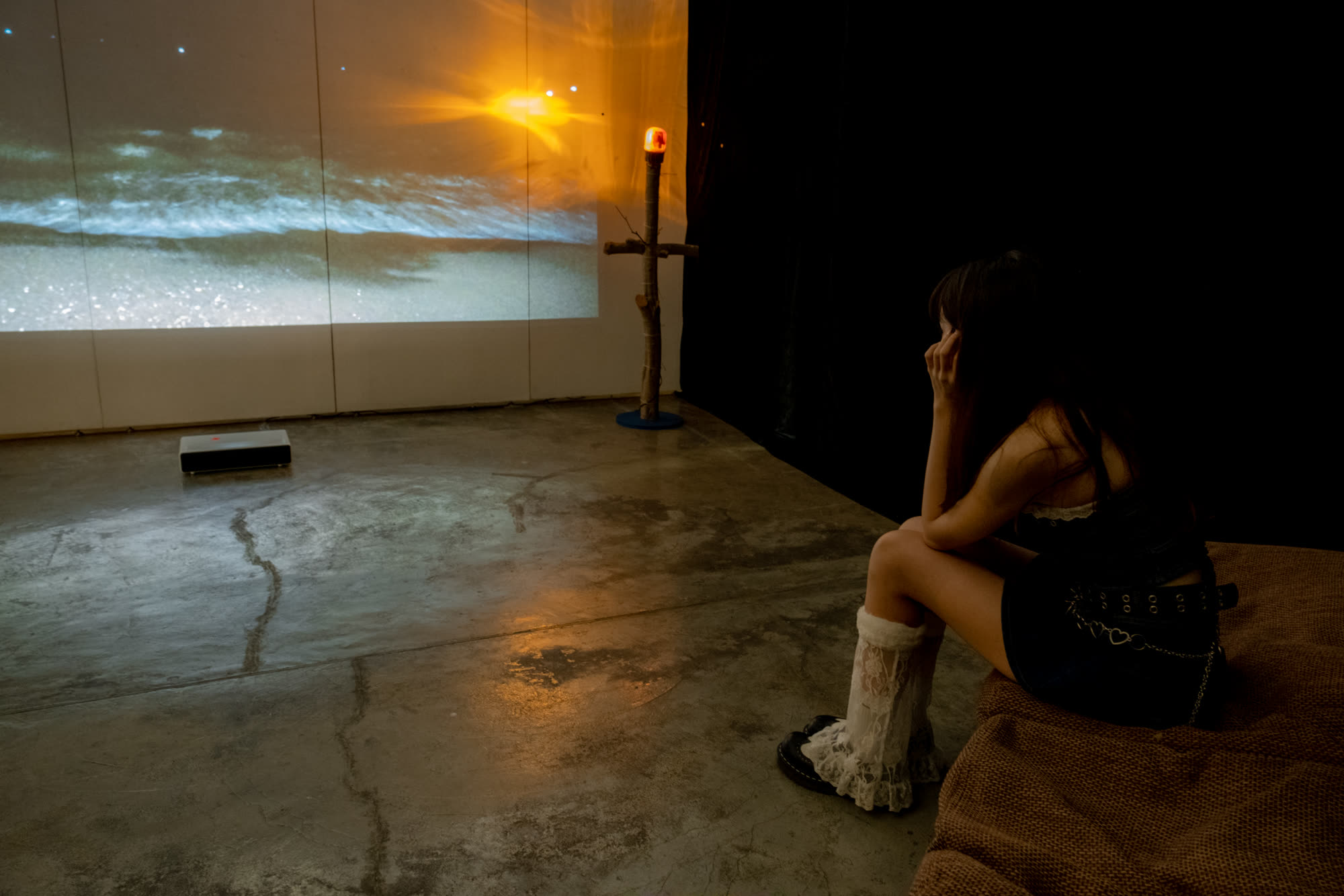
《燈塔 海岸》影片 · 720p