創作自述 · Artist Statements
第一階段 ·《眼淚的山谷》
2017
剛考上大學的時候,看著同學紮實的素描底子,每次交素描作業,我都自愧不如,非常挫敗。於是下課後就跑畫室畫素描,當時動機不是因為想把繪畫基礎練更紮實,只是不想輸,不想自己對畫畫的喜愛程度,輸給同學。
那時候認識了一位攝影師,他每天的工作是出去拍幾十捲底片再回家沖洗。他拍人、拍真實、拍愛,他是我第一位接觸的藝術家。我們的相處有很激烈的痛苦,也有很強烈的愛。我很喜歡他眼中的我,於是我用曾經讓我痛苦的方式與他的攝影對話,我選了那些有我的照片,以照相寫實素描的方式轉譯為自己的作品。這種轉化讓我很有安全感,即使彼此消失在各自的生活中,但作品不會消失。
那時候姊姊在生日前幾天自殺了,我看過屍體在草地上的樣子,也看過父母坐在花園旁哭得撕心裂肺,但沒有看到自己因此而哭的眼淚。在父母互相責怪是對方的錯誤時,我在姊姊凌亂的房子裡面翻找各種線索,想要拼湊出她的生活,想要知道她的思維邏輯,如何選擇這樣的結局。越翻找越發現的,不是多少黑暗的想法及回憶,留下來的都是那些她旅行喜歡的風景,她與男友的笑容,以及她努力活著的證明。我真的哭不出來,但我想把黑暗結局與光的回憶做出來。
眼淚的山谷,是我對親密關係的一次轉譯。
When I first entered university, seeing classmates with solid drawing foundations, I felt inferior and defeated every time I submitted an assignment. So after class I would rush to the studio to practise — not because I wanted to strengthen my fundamentals, but because I didn't want to lose. I didn't want my love of drawing to be lesser than theirs.
Around that time I met a photographer whose daily work was going out to shoot dozens of rolls of film and coming home to develop them. He photographed people, reality, love. He was the first artist I ever encountered. Our time together held intense pain and intense love. I loved who I was in his eyes, so I chose to engage with his photography through the very medium that had once hurt me — I selected photographs that featured me and translated them into my own works through photorealistic drawing. This transformation gave me a deep sense of security: even if we disappeared from each other's lives, the works would not.
Around that time, my sister took her own life in the days before her birthday. I saw her body on the grass, saw my parents weeping beside the garden with a grief that tore through everything — but I didn't see my own tears. While my parents blamed each other, I searched through her messy room looking for clues, trying to piece together her life and understand the logic that led her to this ending. The more I searched, the less darkness I found. What remained were landscapes she loved from her travels, smiles she shared with her boyfriend, and evidence of how hard she had tried to live. I truly could not cry — but I wanted to make something from the dark ending and the luminous memories.
Valley of Tears is my translation of intimacy.
* 英文翻譯由 AI 生成 · English translation generated by AI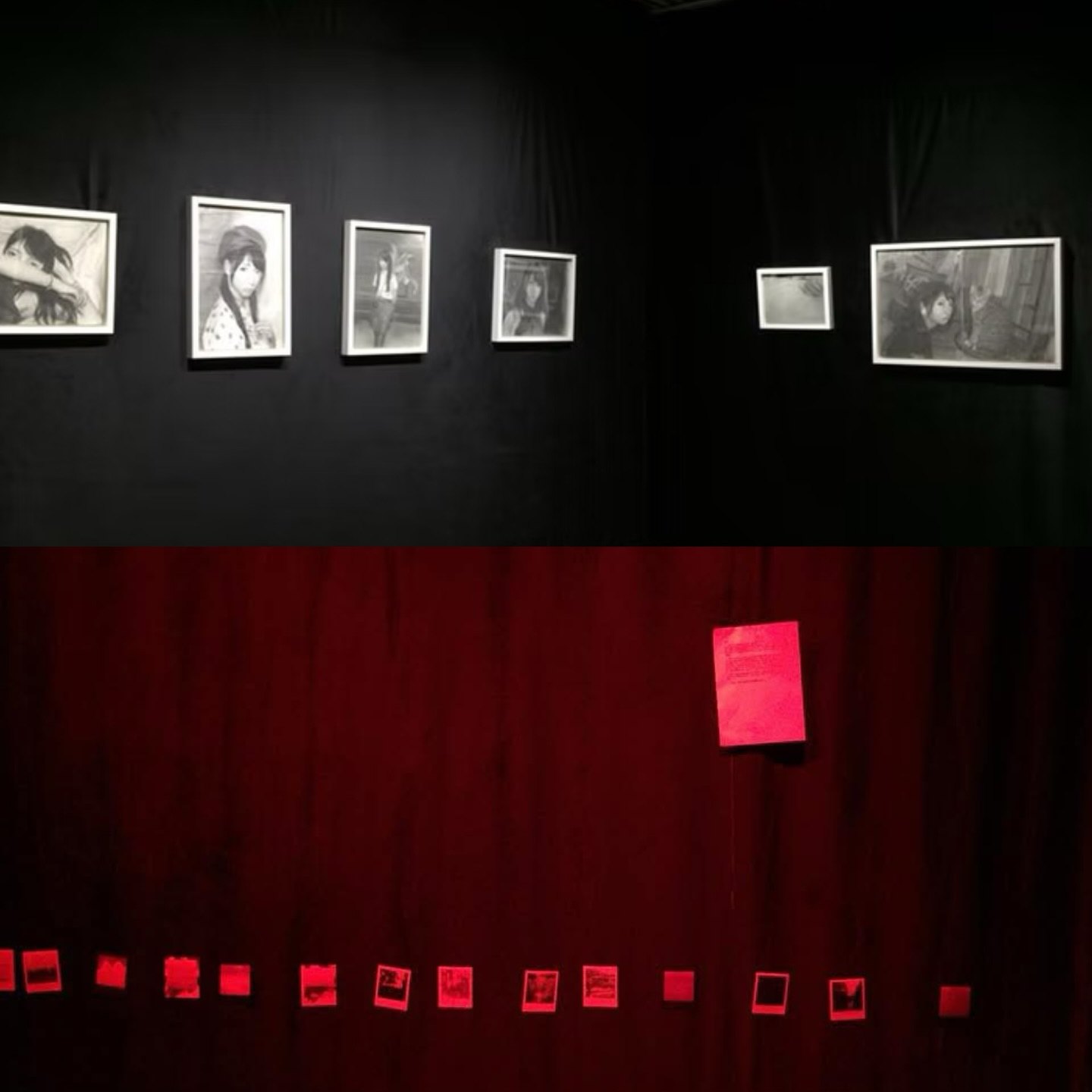
第二階段 ·《映日常霧視》
2018
攝影這件事是我被攝影師影響產生的興趣,但它在那幾年成為我很重要的一部分。那段時間每次出遠門都要帶兩台以上的相機,而且都是底片機。比起數位毫無成本地擷取視覺,我更喜歡每個快門都需要付出的感覺,再來就是底片讓畫面產生的特殊質感。一卷底片洗完後,只要有一張滿意的,就覺得「值回票價」。
一段時間下來,累積了大量的影像,從中選出的除了一些「好照片」,還有一堆有點好看的「壞照片」,它們有些失焦模糊、有些漏光偏色,但剛好讓我捨不得刪。我覺得這些「壞照片」很有繪畫性。把它們收集起來,有點像眼睛掃過餘光中的記憶切片,也像是在路邊截錄的雜訊。於是我又進行了照相寫實繪畫的處理,這次選擇了具工業感的鋁板,經過一次次的打磨拋光後,在上面進行油畫創作,畫面內容就是那些「壞照片」。另外,每張油畫都有一個對應尺寸的單色壓克力板,對應的是街道廣告看板在視覺忽視下成為的一個模糊色塊。
《映日常霧視》是我在探索攝影與繪畫界線、材料與題材表達關聯時,對於精確度的實踐。
Photography became an interest through the influence of that photographer, and over those years it grew into something deeply important to me. I would bring at least two cameras — both film — whenever I travelled. I preferred the feeling of cost in each shutter press over the effortless capture of digital; I also loved the particular texture film gave to an image. If a single satisfying frame came out of a whole roll, it felt worth it.
Over time I accumulated a large collection of images. Among what I selected were not only "good photos" but also a pile of imperfect ones — some out of focus, some light-leaked and colour-shifted — that I couldn't bring myself to delete. I thought these "bad photos" had a painterly quality. Collecting them felt like gathering memory slices glimpsed through peripheral vision, like fragments of noise caught at the roadside. So I applied photorealistic painting to them again, this time choosing aluminium panels with an industrial quality. After repeated sanding and polishing, I painted on them in oils — the content being those "bad photos." Each painting was paired with a same-sized monochrome acrylic panel, representing the way a street advertising board becomes a blurred mass of colour when visually ignored.
Life Out of Focus is my practice of precision in exploring the boundary between photography and painting, and the relationship between material and subject expression.
* 英文翻譯由 AI 生成 · English translation generated by AI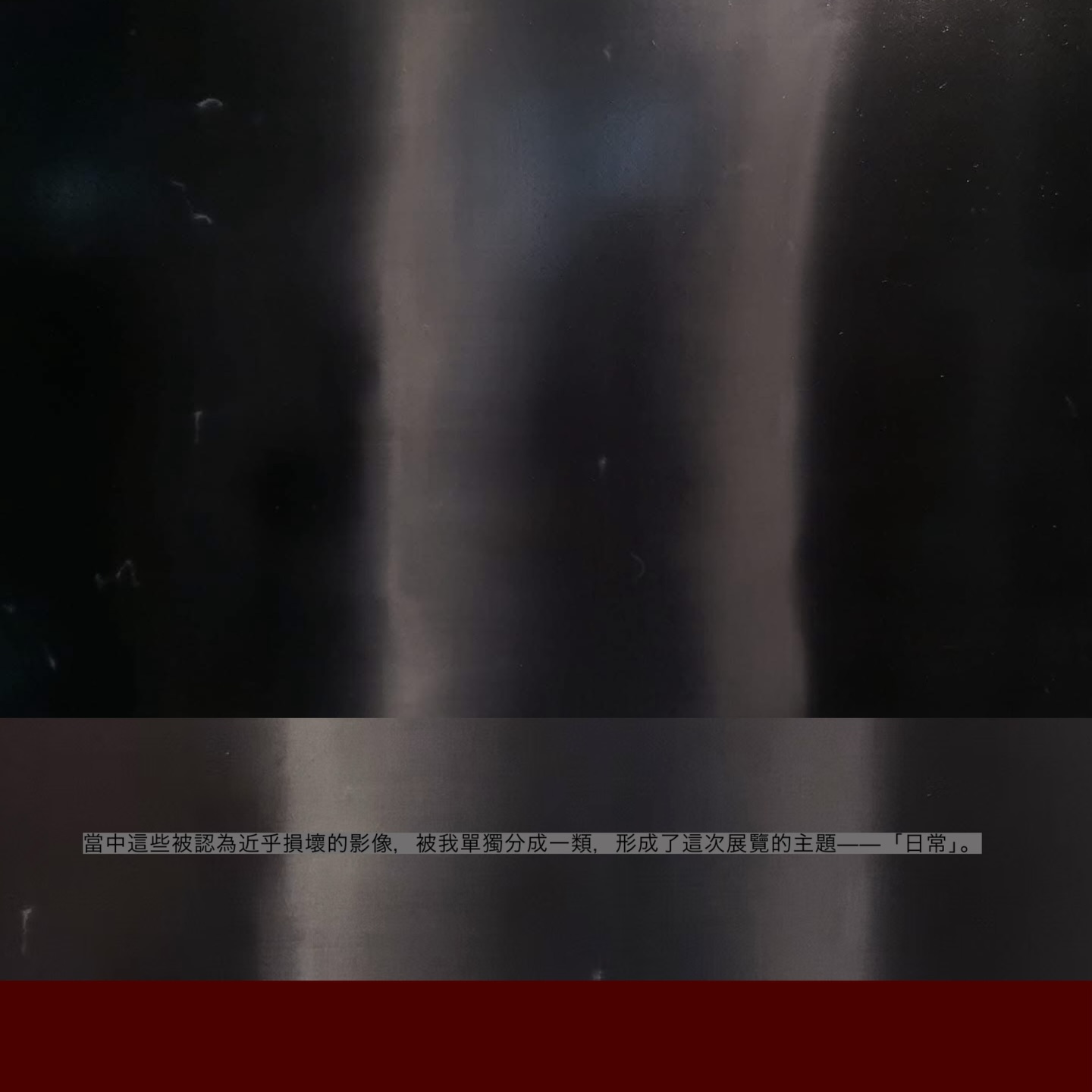
第三階段 ·《選擇》
2020
這是一件關於風險、博弈、抉擇的概念發想創作,之所以會定為這次展覽的主題,因為在這個展覽發生前,有一連串讓我思緒混亂的事件。
澳門每年都會舉辦「東方基金會藝術獎」的徵件評選,每年選出一位藝術家授獎。當時在長輩鼓勵下參加了徵件。剛畢業的我帶著畢業製作的木雕作品投件,心態只是想增加在業界的曝光,沒想到結果竟然是我獲獎。與此同時,我得知有人寫信向東方基金會質疑我的創作並非獨立完成,甚至造謠我與評審有私下關聯才獲獎。那些關於「計畫性獲獎」的造謠讓我感到挫敗與退縮。
我向當年的社團負責人提出,我不希望作品背負這樣的負面言論,打算主動放棄獎項。但負責人在綜合評估後,鼓勵我接受這項挑戰,並用作品證明自己的能力。
於是我開始思考「選擇」這個題目:當事件在我不知情的情況下巧妙地發生,並被他人視為某種「計畫」時,我還有所謂的選擇嗎?我將關於選擇、人生方向與藝術權力的概念化思考,結合我生活的城市——澳門的「博弈」性格,以及「薛丁格的貓」思想實驗的趣味,最後選擇以「博弈箱」的形式展現。
《選擇》是我更接近當代藝術的一次媒材邊界探索,也是我思考如何更精確地讓概念落實於實體作品的過程。
This work arose from a conceptual exploration of risk, gambling, and decision-making. It became the exhibition theme because of a series of events that threw my thoughts into disarray in the lead-up to it.
Every year Macao holds the Orient Foundation Art Prize, selecting one artist for the award. I entered at the encouragement of an elder. Fresh out of school, I submitted the wooden sculpture from my graduation project, expecting only to gain exposure in the field. To my surprise, I won. At the same time, I learned that someone had written to the Orient Foundation questioning whether I had created the work independently, even spreading rumours that I had a private connection with a judge. The malicious claims about "planned award-winning" left me defeated and withdrawn.
I told the leader of the association I was part of that I did not want my work to carry such negative associations — I intended to voluntarily decline the award. But after careful consideration, the leader encouraged me to accept the challenge and use my work to prove my own ability.
So I began thinking about "choice": when events unfold cleverly without my knowledge, and are perceived by others as some kind of "plan," do I still have anything resembling a choice? I brought together conceptual thinking about choice, life direction, and power in art, combined with the gambling character of my home city Macao, and the playfulness of Schrödinger's Cat — finally choosing to present all of this through the form of the "gambling box."
Choices is a foray closer to contemporary art — an exploration of material boundaries, and a process of thinking about how to make concept land precisely in a physical work.
* 英文翻譯由 AI 生成 · English translation generated by AI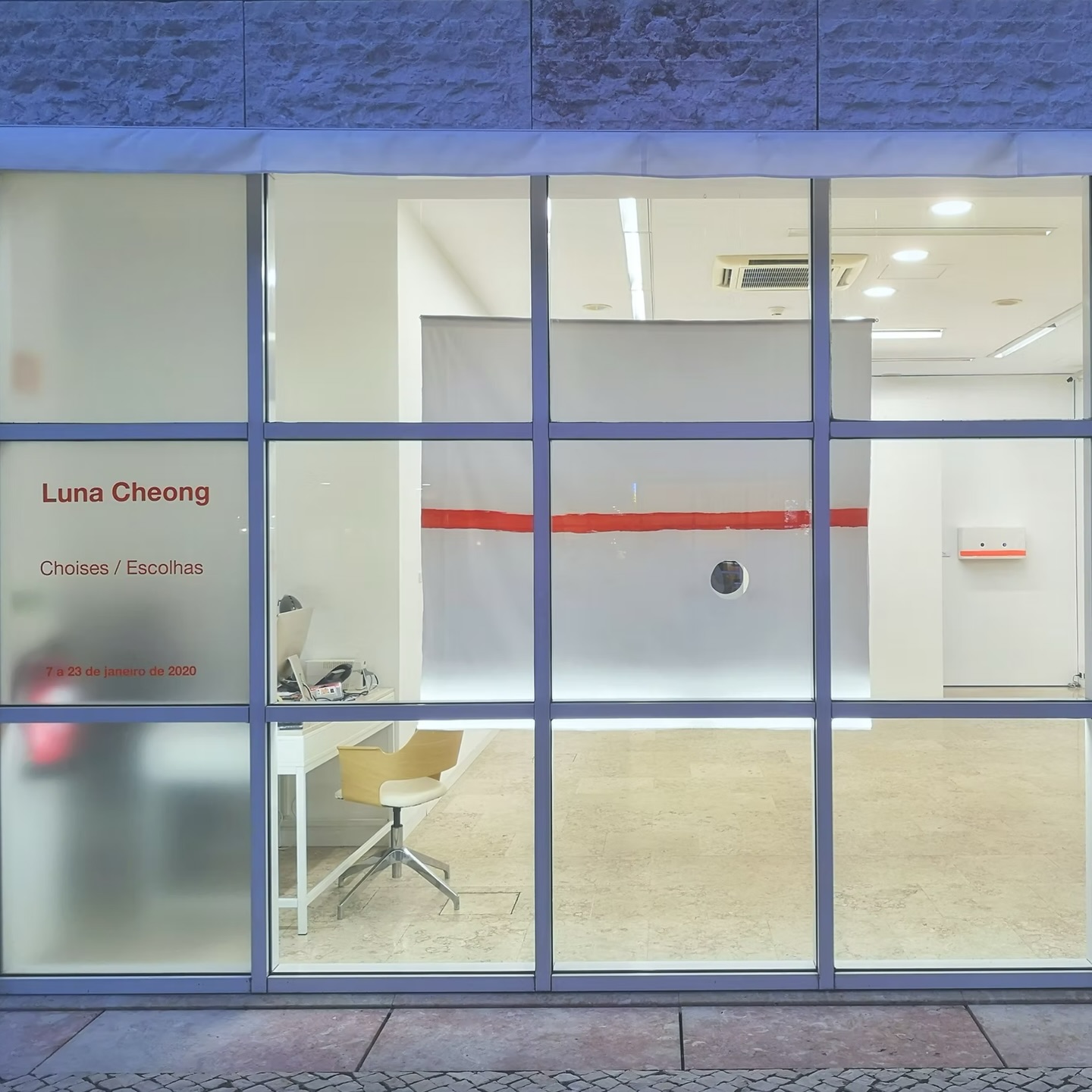
第四階段 ·《儀式感》
2021
2019年我在京都藝術大學校區內的日本語學校留學期間,收到位於澳門藝術博物館旁的創意空間(Creative Macau)邀請舉辦個展。當時的我處在生涯的混亂期,一方面想要證明自己,一方面又在異地生活無法適應。為了減輕症狀對生活的負面影響,我不斷尋求自然療法:瑜伽、攀岩、登山、冥想、水晶療癒、靈氣療癒、香氛。我積極地運動以提升多巴胺,但還是會在晨跑時忍不住嚎啕大哭,哭著跑完剩下的距離。
那時候我在思考活著的信仰,思考自己做了這麼多、繞過那些科學的治療,真的有用嗎?於是形成了這次的展覽主題:儀式感。儀式過於正式,太具意義;而「儀式感」是透過個人習慣形成的一種形式,它的必要性是主觀的。展覽以四件裝置作品及一件繪畫雕塑為主軸,內容受我從小到大對儀式的真實經驗所啟發,轉譯成一場與死亡、希望、修心有關的亞洲儀式——祭拜、棺材、墓碑。
《愛的紀念碑》:以情書的口吻寫一封信給逝去的親人,將文字轉換成三種形式:手寫信、朗讀錄音播放、鏡面浮雕文字,組合在透明方形的碑體裝置上,讓這份情感能被看到、聽到、觸摸到。
《禮物》:以繪畫「獨角獸女孩」為主體,固定在黑色紙盒堆疊成的方形量體上。
《福檯》:收集了多位朋友各自具有重大意義的物品,擺放在自創的「星芒教」祭壇上,供觀眾祭拜、祝福及閱讀物品的意義。
《曾經存在與不存在 艷陽》:討論人死後是否在一連串儀式結束後,就會被定義為已不存在。
《燈塔 海岸》:錄像畫面為循環播放午夜於黑沙海灘拍攝的影像,幽暗的海水帶著洶湧的拍打聲衝向沙灘,裝置空間中立著信仰的十字架。
In 2019, while studying Japanese at a language school within the Kyoto University of the Arts campus, I received an invitation from the Creative Space beside the Macao Museum of Art to hold a solo exhibition. At that time I was in a period of career confusion — wanting to prove myself on one hand, unable to adapt to life abroad on the other. To reduce the impact of my symptoms on daily life, I constantly sought natural remedies: yoga, rock climbing, hiking, meditation, crystal healing, reiki, aromatherapy. I exercised actively to raise my dopamine, yet still couldn't stop myself from weeping during morning runs, crying through the remaining distance.
During that period I was thinking about the faith that keeps one alive — wondering whether all this effort, circumventing clinical treatment, was actually working. And so this exhibition theme emerged: rituality. Rituals are overly formal, too weighted with meaning; the "sense of ritual" is a form shaped by personal habit — its necessity is subjective. The exhibition centred on four installation works and one painting-sculpture, drawing from my lifelong real experiences of ritual, translating them into an Asian ritual involving death, hope, and spiritual cultivation — offerings, coffins, gravestones.
Monument to Love: a letter to a departed loved one written in the voice of a love letter, the words translated into three forms — handwritten letter, recorded audio reading, mirror-surface relief text — assembled on a transparent square monument, allowing the feeling to be seen, heard, and touched.
Gift: the painted Unicorn Girl fixed to a rectangular form made of stacked black paper boxes.
Fortune Altar: objects of great personal significance collected from several friends, arranged on a self-created altar for the "Star-Halo Religion," inviting the audience to pray, bless, and read the meaning of each object.
To Have Existed and to Exist No Longer — the Brilliant Sun: exploring whether, after a series of rituals, a person is defined as no longer existing.
Lighthouse, Coast: footage shot at midnight on Black Sand Beach playing on loop — dark waves crashing against the shore with surging sound — while the installation space holds a standing cross of faith.
* 英文翻譯由 AI 生成 · English translation generated by AI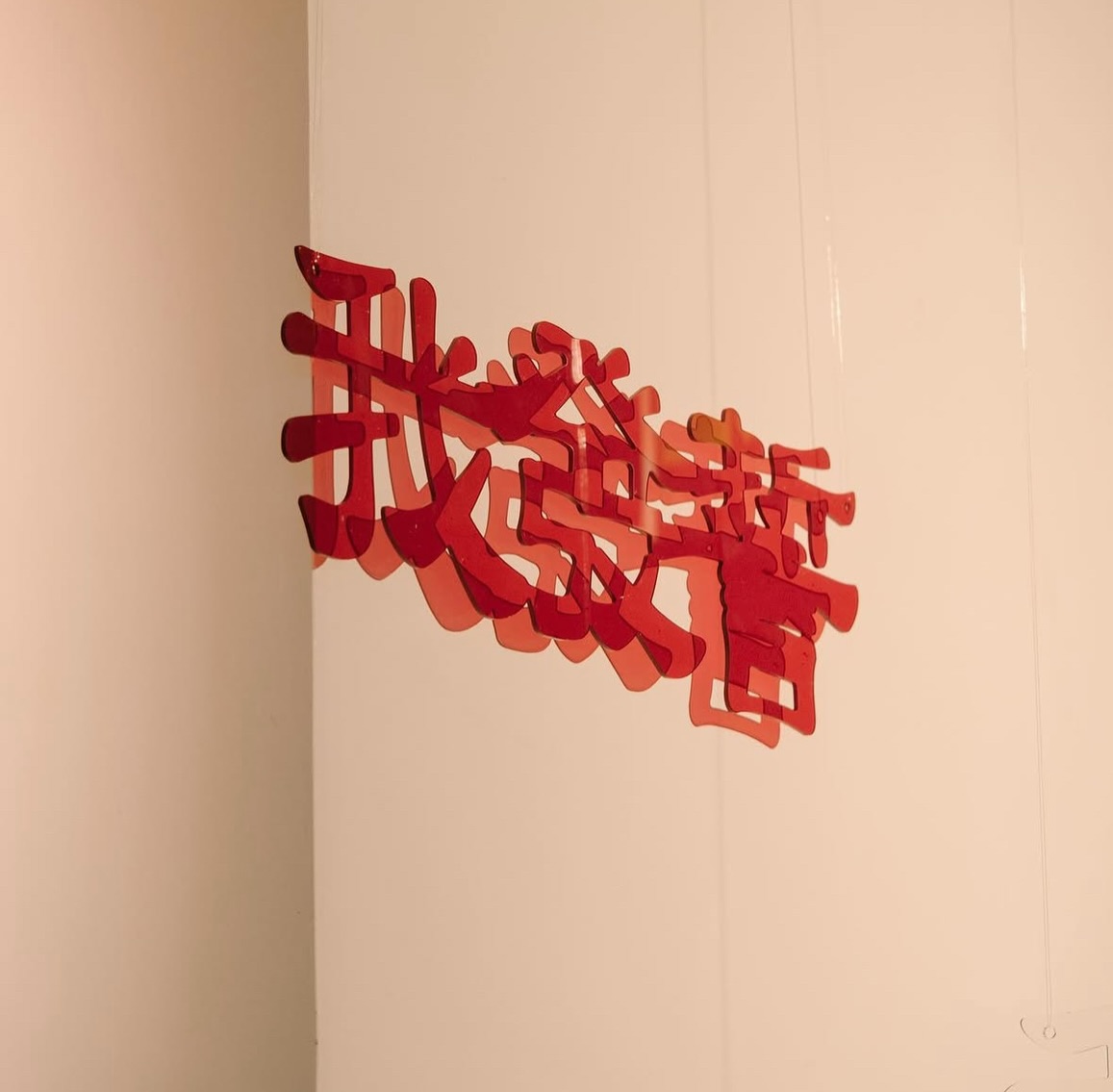
第五階段之一 ·《獨角獸女孩的誕生》
2026
從小就喜歡髮絲、細線這種看是柔弱,累積起來卻很有力量的東西。黑色的線,是髮絲,是每天掉落在客廳的地板上、廁所的洗手盆上、臥室的床上,一種生活痕跡。一堆黑色的線,是髮尾,日本的恐怖片裡面經常用長長的黑髮帶出陌生的窒息及詭異。黑色的線,是恐懼與力量。
於是我嘗試用針筆畫畫,想要用密集的黑線去描繪這種力量感。純真?大人們都說長大之後會失去童年的純真,我不想失去,我想一直留著他、記著他、用著他。「獨角獸會被純潔所吸引」——於是我創造了獨角獸女孩,一個頭上長角的長髮女生。她替我活在一個沒有其他人的世界,這樣就沒有人能干擾她的純真。
2015年,獨角獸女孩第一次出現在城堡的外面。她本是住在城堡裡的普通女孩,但為了成為森林裡最純潔的象徵,她趁獨角獸不注意的時候,絞殺後砍下頭角,並佩戴在自己的頭上。從此她就是那個世界上最純潔的女孩。
2022年之前,我都在解決自己繪畫時形體的問題,在訓練自己的眼睛如何看得更準確。當我認為形體的訓練已經有階段性的成果後,我開始在意自己不太敏銳的色彩辨識能力。於是我開始了色彩探索計劃,嘗試摒棄形體,開始只看顏色,用最準確的色彩表達當下的感覺。在這個過程中,我對顏色的辨識越來越敏銳,某天走在每天經過的街道,路旁的樹葉變得異常鮮豔,「這些樹本來就這麼綠嗎?」我知道,我的色譜變寬了。
I have always loved the image of strands — hair, thin thread — things that seem fragile but accumulate into something powerful. A black thread is a strand of hair: the kind that falls every day onto the living room floor, the bathroom sink, the bedroom sheets — a trace of life. A pile of black thread is the end of hair; in Japanese horror films, long black hair is often used to conjure an alien suffocation and strangeness. Black thread is fear and force.
So I began experimenting with technical pens, wanting to use dense black lines to depict this sense of power. Innocence — adults always say that after growing up, childhood innocence is lost. I don't want to lose it. I want to keep it with me, remember it, use it. "Unicorns are attracted by purity" — so I created the Unicorn Girl, a long-haired girl with a horn on her head. She lives on my behalf in a world with no one else in it, so that no one can disturb her purity.
In 2015, the Unicorn Girl appeared for the first time outside a castle. She was originally an ordinary girl who lived inside, but in order to become the symbol of the purest being in the forest, she waited until the unicorn was not looking, strangled it, severed its horn, and placed it on her own head. From that moment on, she was the purest girl in that world.
Before 2022, I was always resolving problems of form in my painting — training my eye to see more accurately. When I felt that formal training had reached a stage of results, I grew more conscious of my not-very-sharp ability to perceive colour. So I began a colour exploration project, trying to set aside form and focus only on colour — expressing the feeling of a given moment with the most accurate colour I could find. In the process, my sensitivity sharpened. One day, walking down a street I passed every day, the leaves on the roadside appeared strangely vivid. "Were these trees always this green?" I knew then: my colour spectrum had widened.
* 英文翻譯由 AI 生成 · English translation generated by AI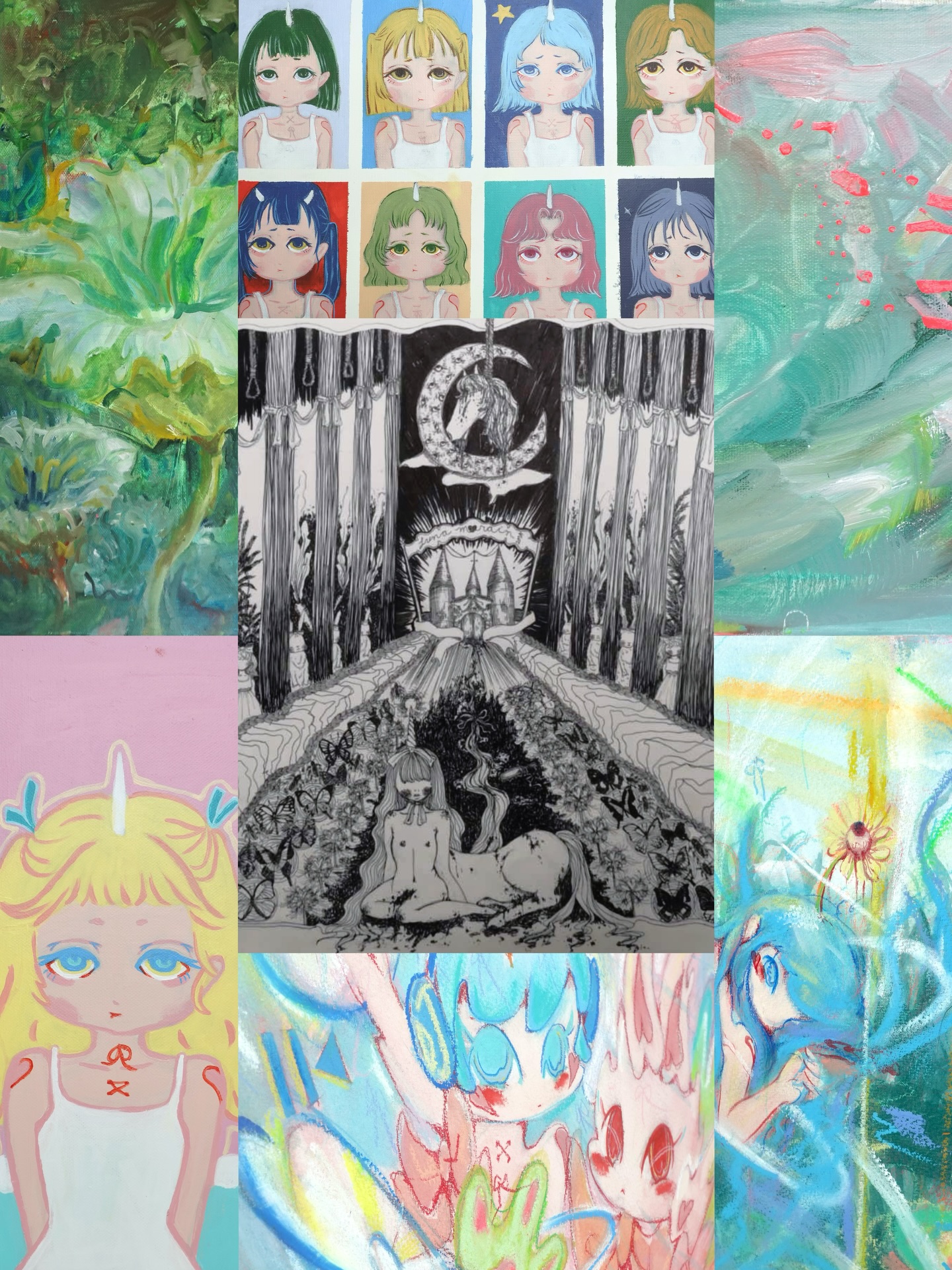
第五階段之二 ·《獨角獸女孩的誕生》
2026
在選色及以生活成長為題材的創作探索過程中,我發展出一套選色習慣,回顧作品時發現所選的顏色與電子螢幕呈現出來的光感色系很像,原來在對電子選色的挫敗感下,默默地以手繪的方式模仿電子色系。而延續到我畫面人物的質感及呈現方式,與漫畫、卡通有很強的連結度。
為什麼要這樣畫?我既沒有興趣畫漫畫,也沒有想要透過畫面來敘事,畫作的視覺內容架構對我來說更多的是一種當下狀態的呈現。於是我開始思考自己第一次主動去學畫畫是什麼時候,啊!小學五年級剛搬去澳門,報了第一堂畫畫課,是暑期的那種四格漫畫興趣班。那是我最快樂最自由的創作時光。
經歷了中學到大學的專業美術訓練,學習、經歷了各種繪畫技術及風格。到最後追求的創作,還是回到「誠實」本身。誠實告訴我,即使我很希望在藝術上有什麼成就,但是到現在,我最想做的還是回歸自己最純粹喜歡的創作狀態,那才是最純粹的創作動能,我永遠不想失去或忘記。
畫面中的角色及繪畫方式,是對於童真的一種詮釋。即使知道素描的嚴謹性及古典油畫的層次感會讓大家感覺「畫得很好」,但我還是不喜歡完美的嚴謹,過於拘束的架構會讓我感到無法呼吸,即使我可以,但我選擇不,是這個時期的意識和主張,選擇如何繪畫,是踏進當代繪畫的第一步。
繪畫是我最熟悉的語言、最自在、隨時可創作的方式。我想畫什麼?啟發我最多的,是2014年Gary Baseman在台北當代藝術館的個展,在觀看他的展覽及畫作的過程中,身體反應很大,先是全身起雞皮疙瘩,接著感覺鼻酸眼紅——那就是被感動的感覺吧。我也想要做出這樣的作品,我也想要做出能感動人、能觸碰情緒的作品。
In the process of exploring colour selection and making work from daily life as subject matter, I developed a habitual approach to choosing colours. Looking back at my works, I noticed the colours I chose resembled the luminous palette produced by electronic screens — it turned out that, in my frustration with digital colour selection, I had been quietly imitating electronic colour systems by hand. And extending into the quality and presentation of the figures in my paintings, I found a strong connection to comics and cartoons.
Why paint this way? I have no interest in making comics, nor any desire to narrate a story through an image. The visual content structure of a painting, for me, is more often a representation of a present state. So I began thinking about when I first actively sought to learn to paint — ah, fifth grade of elementary school, just moved to Macao, signed up for my first drawing class: a summer holiday four-panel manga interest workshop. That was the happiest, most free period of creation in my life.
After the professional art training from secondary school through university — learning and experiencing many techniques and styles — what I ultimately pursue in my practice still returns to honesty itself. Honesty tells me that even though I deeply hope to achieve something in art, what I most want to do, even now, is return to the purest state of creation that I genuinely love. That is the most authentic creative drive — one I never want to lose or forget.
The characters and manner of painting in my works are an interpretation of childlike innocence. Even knowing that rigorous academic drawing and the layered quality of classical oil painting make people feel "that's painted very well," I still don't like perfect rigour. Too constrained a structure makes me feel unable to breathe. Even if I can, I choose not to — this is the consciousness and claim of this period. Choosing how to paint is the first step toward contemporary painting.
Painting is my most familiar language, the mode of creation I am most at ease with, and one I can practise at any moment. What do I want to paint? What has inspired me most is Gary Baseman's solo exhibition at the Museum of Contemporary Art Taipei in 2014. As I looked at his show and his paintings, my body had a strong reaction: first, goosebumps all over, then a sting in my nose and eyes. That is what being moved feels like. I too want to make works like that — works that move people, that touch emotion.
* 英文翻譯由 AI 生成 · English translation generated by AI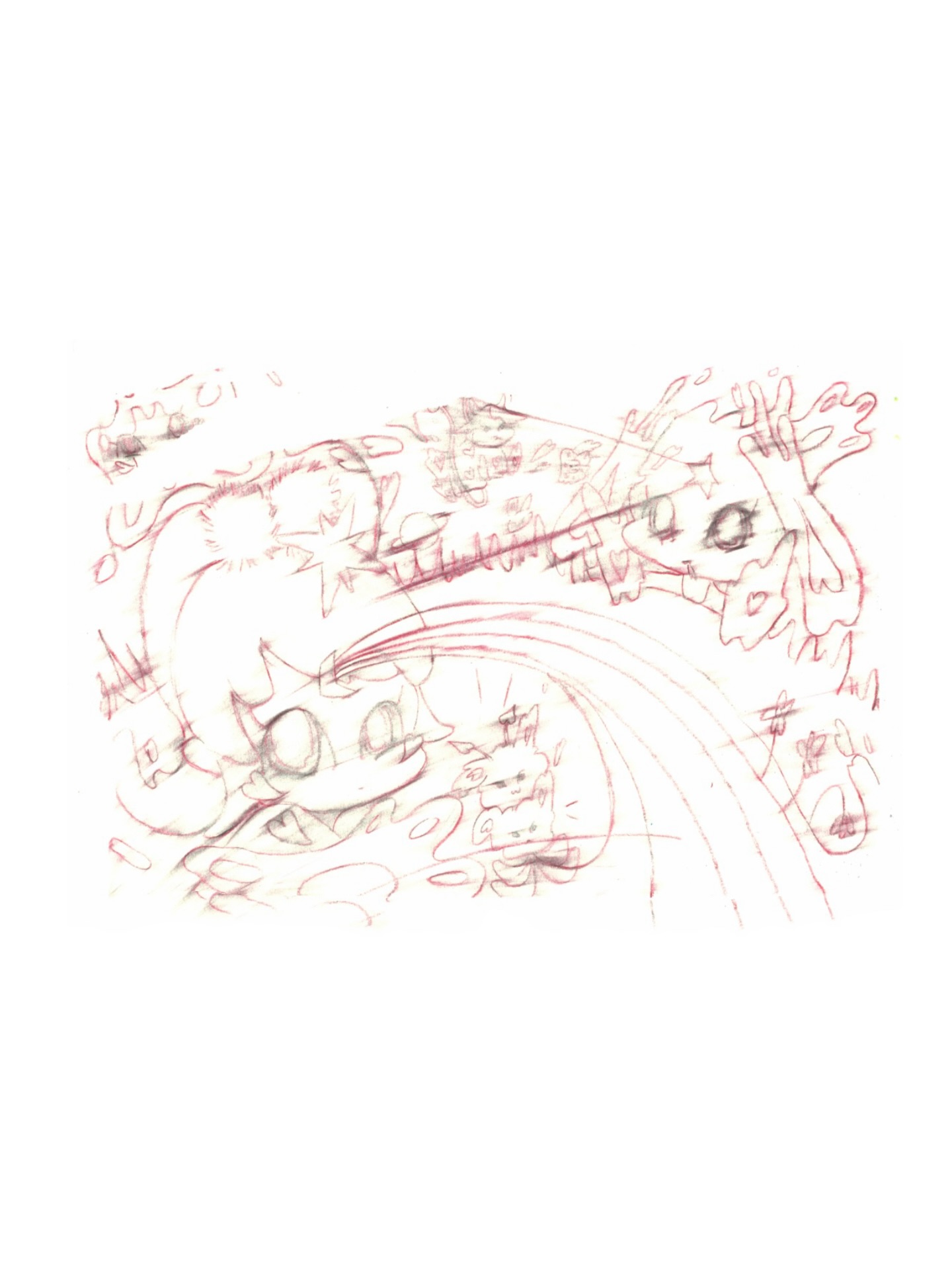
第六階段 · 新系列(製作中)
2026
站在這件繪畫前,皮膚會在未曾預備的情況下,先於意識作出反應。這個反應無需情緒作為中介——它繞過判斷,直接在皮膚與肌肉上發生。
某種低於聽覺的東西穿過畫面,抵達身體。感知的來源在此刻無法辨認:那個反應,是凝視造成的,還是別的?
這個無法分辨,是我真正感興趣的地方。
以大面積筆觸將形象推向曖昧,令其在可辨識與不可辨識之間懸停。形象在此不是敘事,而是一個身體:在某種穿透它的力量中,試圖保持形狀的存在。
觀者的身體與畫中的身體,在同一股力量裡。感受是真實的,卻判斷不出來源。
Standing before this painting, the skin responds before consciousness does — without preparation. The response needs no emotion as an intermediary; it bypasses judgment and happens directly on skin and muscle.
Something beneath hearing passes through the painted surface and reaches the body. In that moment, the source of perception becomes impossible to identify: was that response caused by the gaze — or by something else?
This impossibility of telling is what truly interests me.
With broad strokes I push the figure toward ambiguity, suspending it between the recognisable and the unrecognisable. The figure here is not narrative but a body: a presence trying to hold its shape within a force that passes through it.
The viewer's body and the body in the painting are held inside the same force. The sensation is real, yet its source cannot be determined.
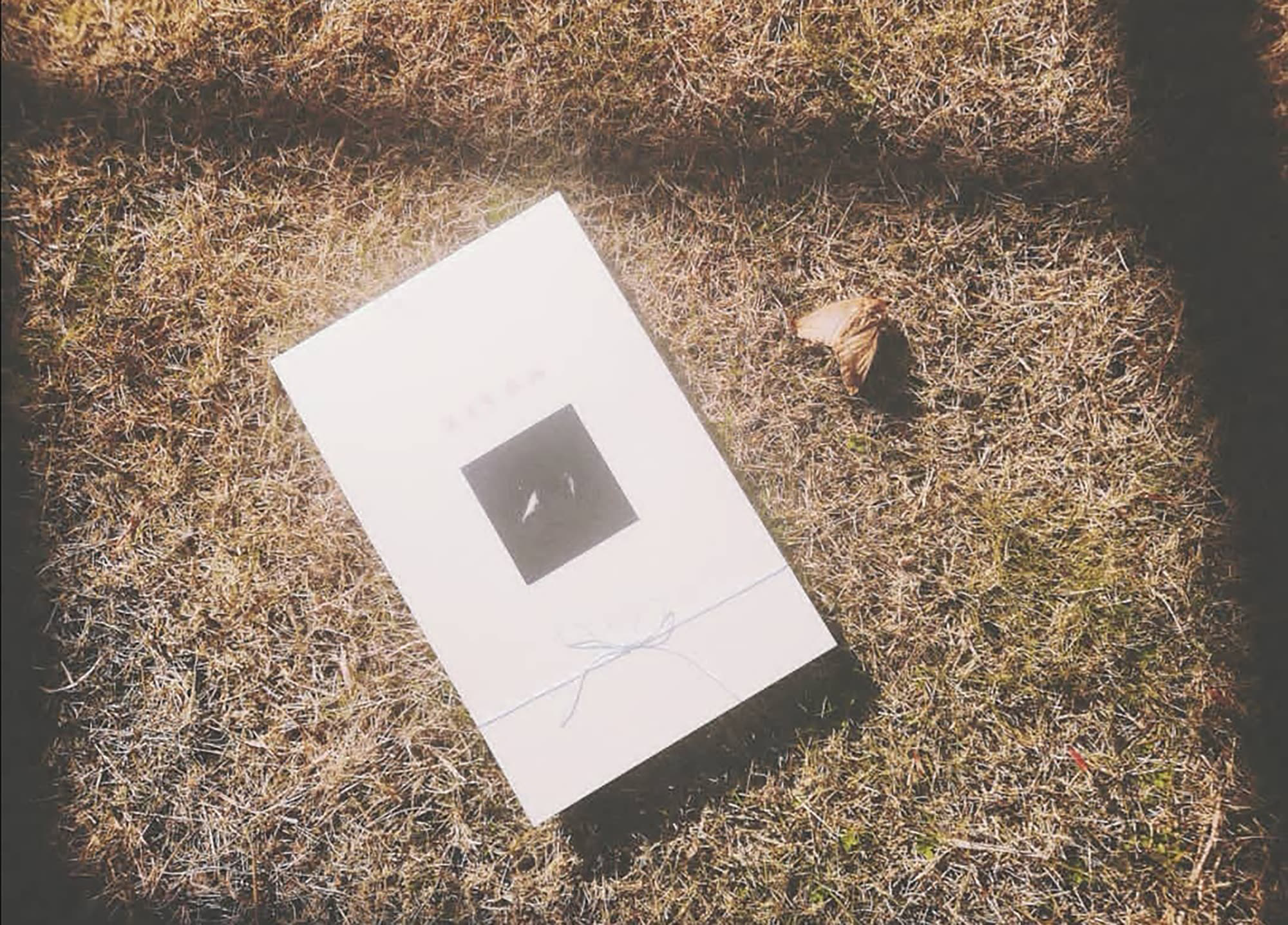
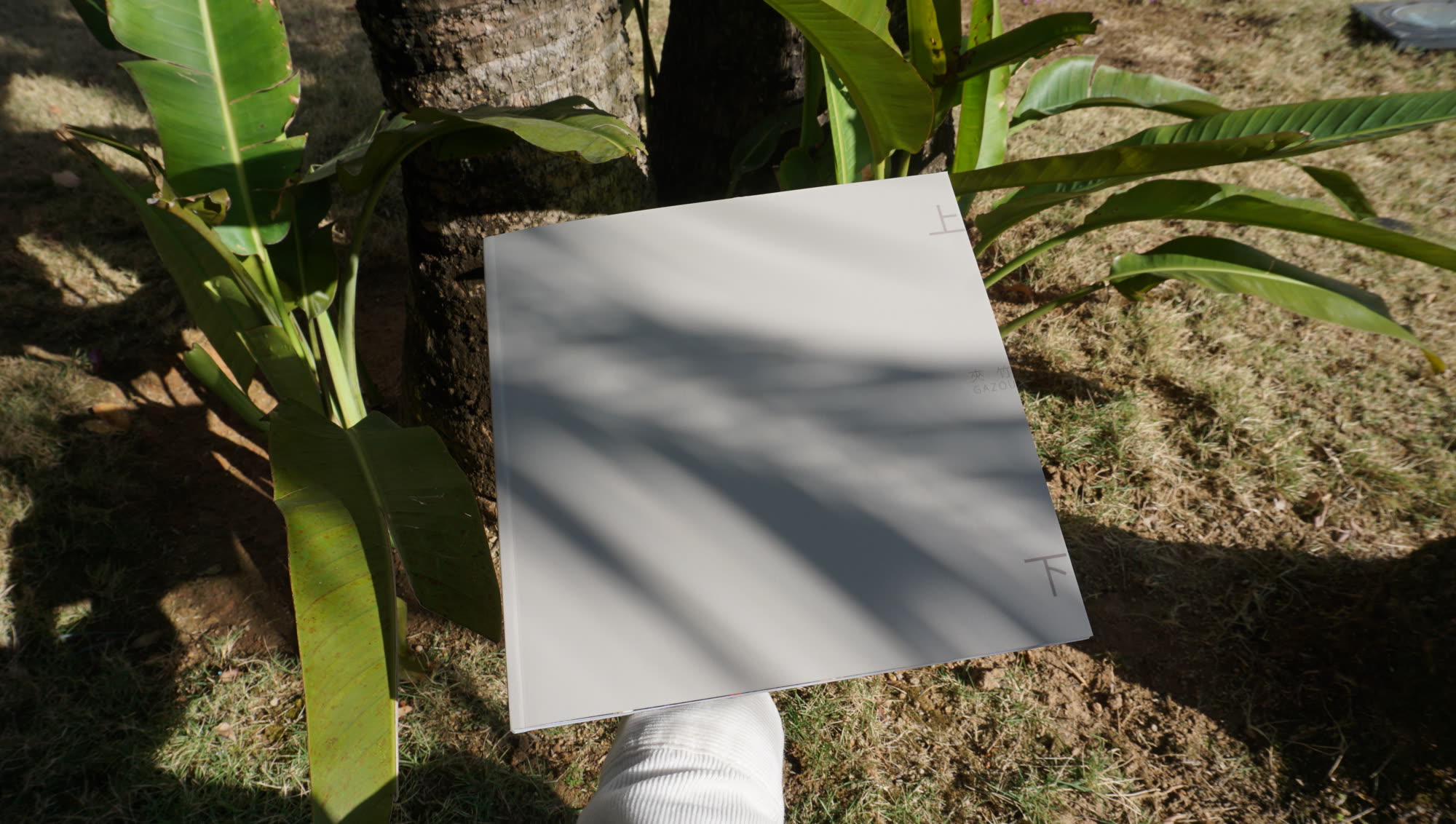
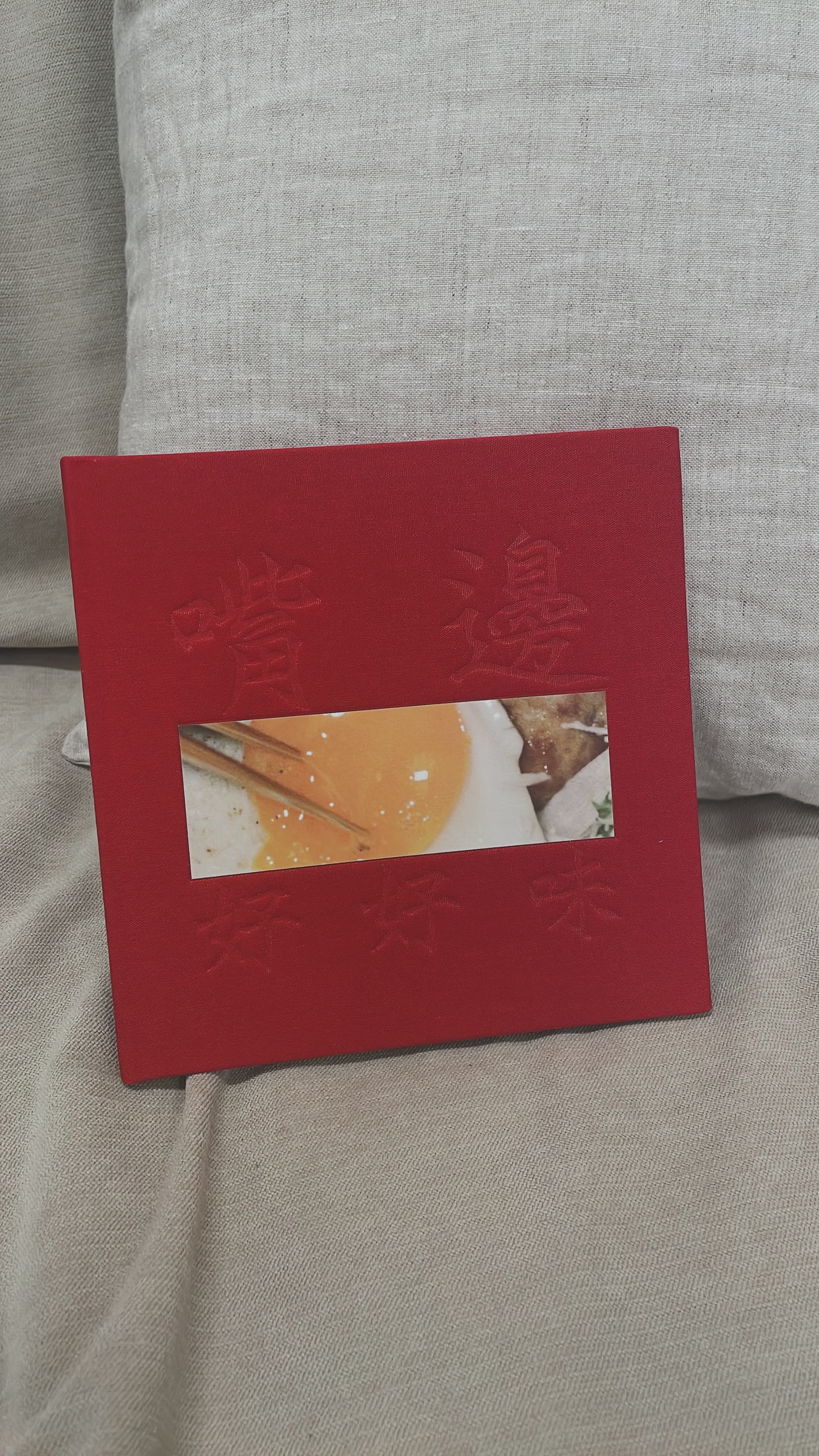
* 英文翻譯由 AI 生成 · English translation generated by AI攝影是畫筆以外的隨身習慣。以筆名「夾竹」(GAZOU,取自日文「画像」,意為影像)用底片記錄日常,2012 年至今。曾自印三本小量的攝影 zine,各限量三十冊。
Photography is a habit she carries alongside painting. Under the pen name GAZOU (夾竹, from the Japanese word for image, 画像), she has been recording daily life on film since 2012, and has self-published three small photo zines, each in an edition of thirty.
深夜魚幽幽
2019
上下
2020
嘴邊好好味
2021